A carp angler once described meeting another fisherman on the Rhône who appeared to have all the right fishing gear. He had a carp rod, bite alarm, landing net, and unhooking mat, but one part of the setup did not match the water: he was using 0.20 mm nylon as his main line.
A thin fishing line may be suitable in open water or when a delicate presentation is required. On a large river holding powerful carp, branches, debris, current, and rough structure can turn that same line into the weakest part of the setup. The problem is not only losing the fish. A break-off can leave a carp carrying a hook and several metres of line through snag-filled water.
Strong Tackle Means Matching the Water

There is no single line diameter that works everywhere. An open, clean lake allows an angler to fish differently from a river where the rig may pass close to submerged branches, rocks, bridge remains, or other debris. Fish size matters, but the route the fish can take after being hooked matters just as much.
Before choosing the main line, consider the current, expected casting distance, abrasion risk, nearby snags, and how much pressure may be needed to stop a fish. The lightest line that can cast the required distance is not automatically the right choice. The fishing tackle must give the angler enough control to keep a hooked carp away from danger and bring it to the net without extending the fight unnecessarily.
A Break-Off Is More Than a Lost Fish
When the main line breaks, the session does not simply return to zero. The carp may swim away with the hook still in its mouth and a long section of nylon trailing behind it. That loose line can catch around a branch or other underwater debris, leaving the fish unable to move or feed normally.
Carp anglers spend time choosing safe rigs, carrying unhooking mats, preparing landing nets, and handling fish carefully on the bank. Those precautions matter, but fish care starts before the cast. Choosing a line and rig that suit the swim is part of the same responsibility.
This does not mean using unnecessarily heavy fishing gear in every situation. The rod, reel, main line, leader, hooklink, and hook should work as a balanced system. The aim is to use tackle strong enough for the fish and conditions while keeping the rig practical and effective.
Check the Snags Before Choosing the Setup

The difficult part is that the most dangerous cover is not always visible from the bank. A swim can look open on the surface while hiding branches, sharp rocks, discarded line, or sudden depth changes below. If you assume the bottom is clear, you may choose a lighter setup or place the rig somewhere that gives a hooked fish an easy route into a snag.
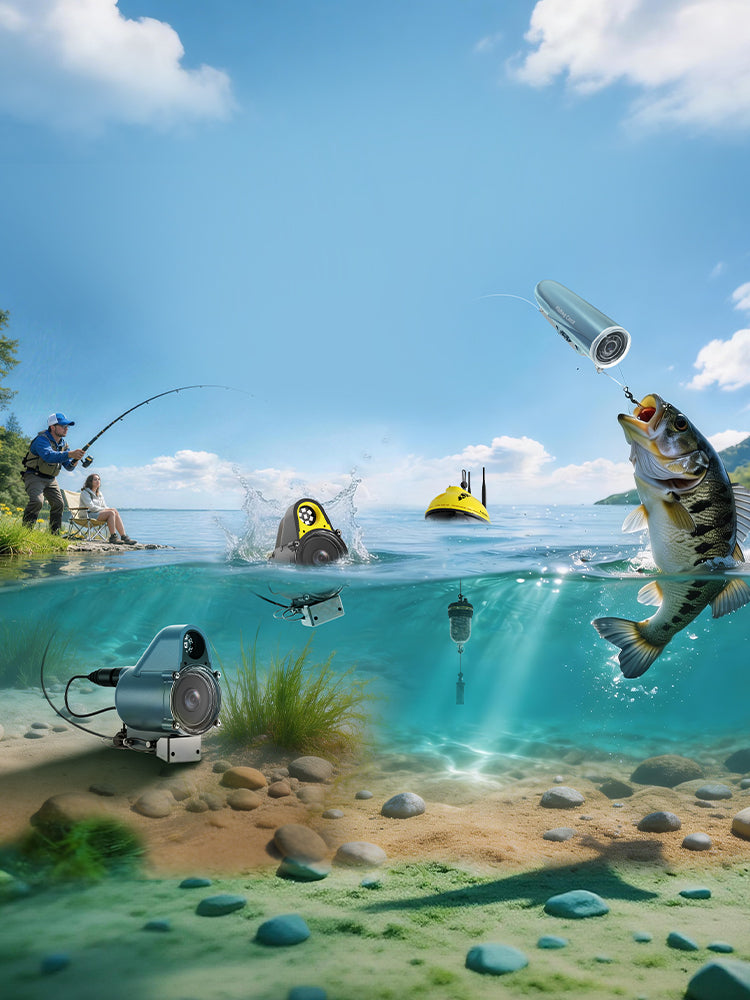
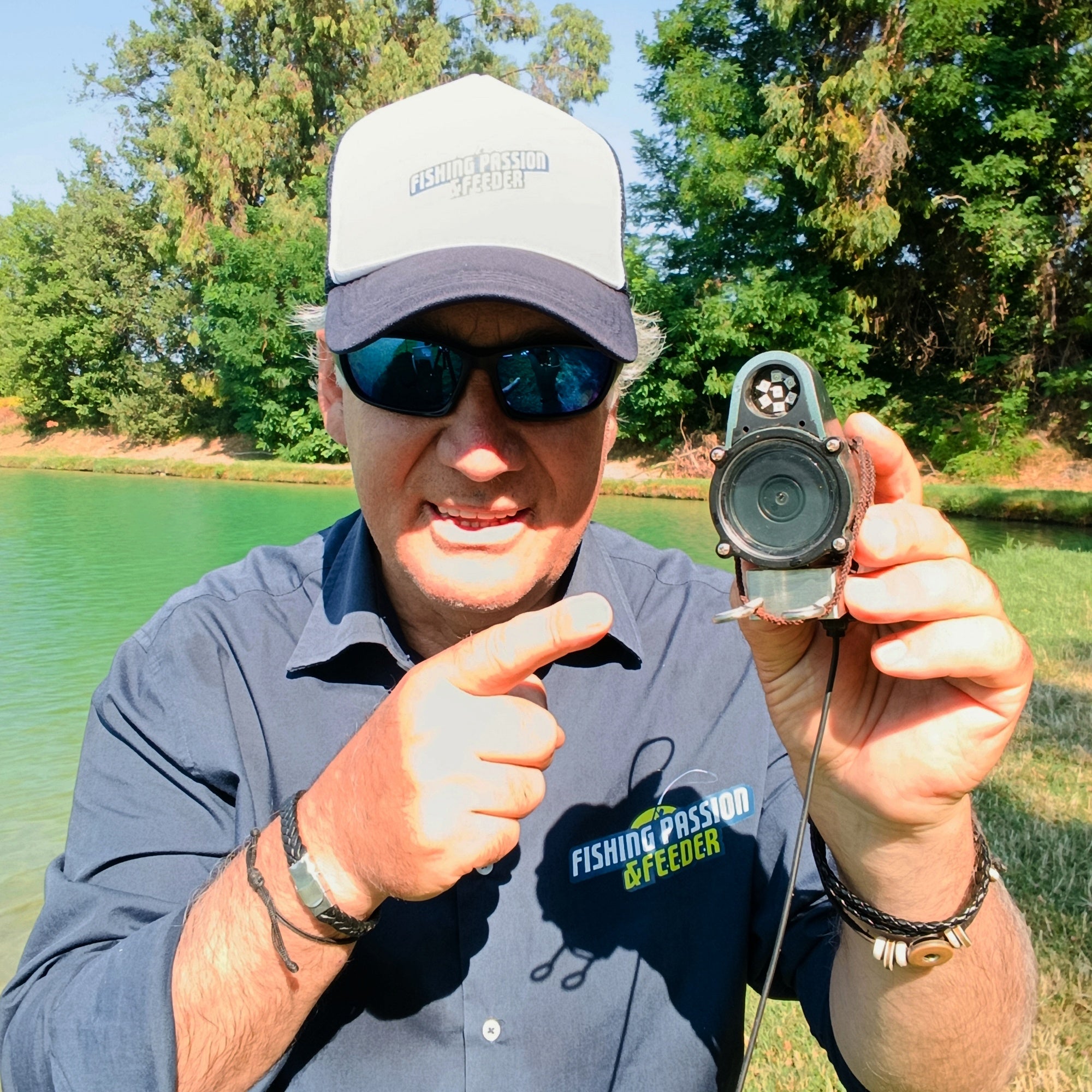
This is where checking the water before fishing can change the decision. CHASING CanFish F2 combines dual-frequency sonar and underwater vision to help anglers evaluate depth changes, underwater structure, and cover before placing a rig. Sonar can provide information about the shape of the swim, while the camera can be lowered to inspect a selected area when water conditions allow.
CanFish F2 cannot select the correct fishing line or guarantee that every obstacle will be visible. Its value is giving the angler more information about the water being fished. If a route contains branches or dense cover, that may affect the line strength, leader, hooklink, rig position, and amount of pressure required during the fight.
After a Break-Off, Do Not Just Retie
When a fish breaks off, replacing the hook and casting back to the same spot may repeat the same mistake. Check where the line failed and inspect the remaining section for abrasion. Consider whether the fish reached a snag, the line rubbed against structure, the drag was set incorrectly, or the whole setup was too light for the situation.
The next adjustment should address the likely cause. A damaged section needs replacing, a snaggy route may require stronger abrasion resistance, and a dangerous rig position may need to be moved. Changing everything at once makes it difficult to learn from the failure, but simply rebuilding the same setup ignores the warning completely.
Protect the Fish Before You Cast
A landing net and unhooking mat show that an angler cares about fish safety, but the main line matters before either of those tools comes into use. If the line cannot handle the fish, current, and underwater hazards, good handling on the bank may never become relevant.
Before the next cast, check the swim, match the fishing tackle to the real conditions, and make sure the complete setup can apply the pressure needed to keep a carp away from danger. Losing a fish is frustrating; leaving it towing a hook and loose line is a much more serious outcome.