For a carp angler, the longest part of a fishing session is often not the fight after a bite. It is the waiting that happens while the surface remains completely still.
Did the rig land in the right place? Is the bottom clean, or is it covered in weed? Are fish moving around the bait? When the rods remain quiet, does it mean there are no carp in the swim, or have fish already approached without committing to the bait?
From the bank, many of these questions can only be answered through experience and estimation.
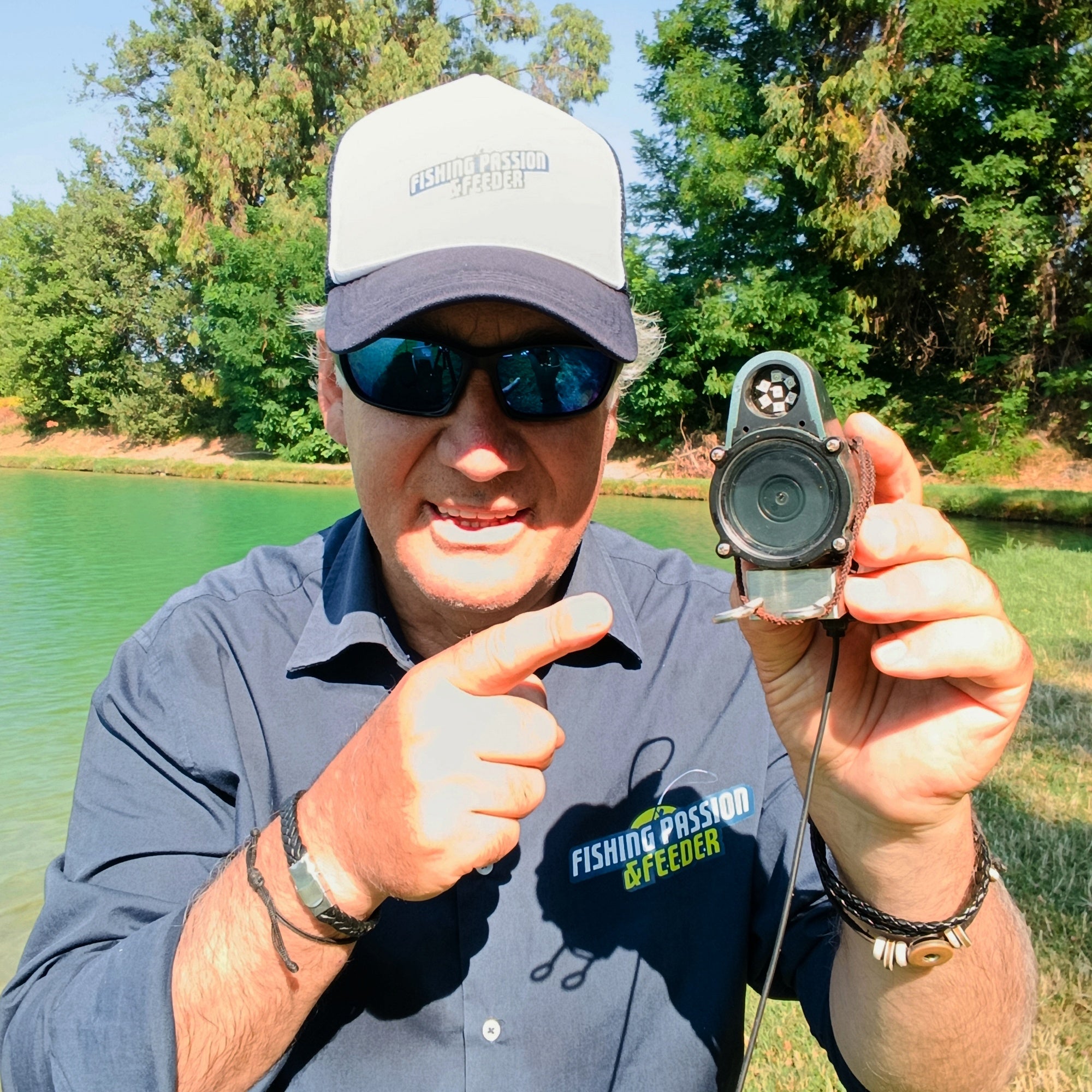
During a real lakeside session in France, carp angler fish_carpe_passion brought along CHASING CanFish CF1. His video follows the process from introducing and setting up the system to lowering the underwater camera into the lake—and eventually presenting an impressive carp on the bank.
Rather than showing the product in isolation, the video records how CanFish CF1 fits into an actual carp fishing session.

[Image: fish_carpe_passion introducing CHASING CanFish CF1 beside the lake]
His original French caption reads:
- Présentation de la CanFish CF1 en action de pêche.
In English, this can be understood as:
- Demonstrating CanFish CF1 in a real fishing session.
Video source: https://www.instagram.com/reel/DancOl6tBdE/?utm_source=ig_web_copy_link&igsh=NTc4MTIwNjQ2YQ
From Lakeside Setup Straight Into a Real Session

The video does not begin with a long brand introduction or a list of technical specifications.
fish_carpe_passion is already sitting beside a natural French lake surrounded by thick vegetation. His rods and swim are prepared, and he begins setting up CanFish CF1 directly at the water’s edge.
He connects the system, checks the live view on his phone, and arranges the camera and cable before lowering the equipment into the water.
The entire process takes place within the real fishing environment.
CanFish CF1 is not being demonstrated separately from the session. It becomes part of the preparation itself. For an angler, that matters. A product is not useful simply because of what is written on a specification sheet. It also needs to fit naturally into the way people actually fish.
Can it be prepared at the bank? Can the angler view the footage without leaving the swim? Does the information on screen relate directly to the water being fished?
The setup shown in the video offers a practical answer to those questions.
[Image: Connecting CanFish CF1 and checking the mobile display]
Once the Camera Goes Underwater, the Swim Reveals More
From the bank, the lake appears calm.
There is no obvious surface activity and very little information about the conditions below. Once the CanFish CF1 camera enters the water, however, the angler’s view extends beyond the surface.
The footage reveals the real lakebed, aquatic vegetation and small particles drifting through the water.
These details may not look dramatic, but they are highly relevant to carp fishing. A swim that appears flat and clear from above may contain weed below. A rig that seems to have landed accurately may be resting beside vegetation or on uneven ground.
Without an underwater view, much of this remains an educated guess.
The footage from CanFish CF1 turns part of that uncertainty into visible information.
[Image: Lakebed and aquatic vegetation recorded by CanFish CF1]
Why the Lakebed Matters to Carp Anglers
Carp frequently travel and feed close to the bottom, which means the condition of the lakebed can directly affect how a rig and bait are presented.
Weed, soft sediment, branches and natural debris may all change the way a rig settles. A baited area that appears well positioned from the bank may be partially hidden. A spot that initially seems suitable may need to be reconsidered once the underwater environment becomes visible.
Underwater footage can help the angler answer more specific questions:
Does the bottom match what was expected?
Is there heavy weed around the chosen area?
How clear is the water?
Is this still a suitable place to continue fishing?
CanFish CF1 does not make those decisions for the angler, and it cannot guarantee a bite. What it provides is an additional point of reference.
Traditionally, carp anglers assess the bottom through casting feedback, depth changes, surface signs and experience. Underwater footage can complement those methods by showing part of the environment directly.
After Looking Below, Fishing Still Requires Patience
Once the underwater observation is complete, the session returns to its familiar rhythm: setting the rigs, watching the rods and waiting for a response.
Weather, water temperature, bait, rig presentation, timing and the angler’s own decisions still influence the outcome. An underwater camera is not a shortcut to catching fish, nor can it replace watercraft and experience.
That is also what makes the video feel genuine.
It does not present CanFish CF1 as a device that automatically produces a catch. Instead, it shows how the system can become part of a normal fishing process: setting it up at the bank, observing the lakebed and weed, and then returning to the patience required in carp fishing.
CanFish CF1 does not provide certainty. It provides more information for the angler to consider.
The Session Ends With a Carp in the 10-Kilogram Class

At the end of the video, fish_carpe_passion presents the result of the session on the bank.
The fish is a deep-bodied common carp with rich bronze and golden scales. Based on its proportions in the footage, it appears to be close to 80 centimetres long and in the 10-kilogram class. As no measuring or weighing process is shown, this should be treated only as a visual estimate.
[Image: fish_carpe_passion presenting the common carp]
The carp gives the video an appealing ending.
However, the footage does not prove that using CanFish CF1 directly caused the catch. Success in carp fishing still depends on location, bait, rig choice, conditions, timing and the angler’s judgement.
The more meaningful part of the story is what happened before the final catch.
fish_carpe_passion had already extended his view from the surface to the lakebed. He had seen the vegetation, the underwater conditions and the environment in which he was fishing, then brought that information back into the session.
As a result, the video becomes more than a simple record of a fish being caught. It follows the experience from equipment preparation and underwater observation through to the final result.
A Carp Fishing Story Is More Than the Moment of the Catch
Many fishing videos naturally focus on the bend of the rod, the fight and the fish being presented on the bank.
But anyone who has spent hours carp fishing knows that most of the session is made up of choosing a swim, preparing equipment, observing conditions, waiting and making repeated decisions.
These quieter parts can be difficult to show because much of the environment that influences those decisions remains hidden below the surface.
CanFish CF1 helps bring part of that hidden environment into view.
For the angler, it offers another way to understand the lakebed and the chosen swim. For the audience, the underwater footage creates a more complete story—one that does not rely only on the final catch, but follows the session from beginning to end.
A calm surface will always require patience, and carp fishing will always depend on skill and experience.
But as the session from fish_carpe_passion demonstrates, once the lakebed, vegetation and underwater conditions become visible, the waiting no longer has to be based entirely on guesswork.