
At Gallows Point in Beaumaris, the rod was already bent over before the session had properly begun. The tide was racing through the Menai Strait, loose weed was collecting on the fishing line, and even an 8 oz gripper lead struggled to hold the channel.
The first cast was wiped out in roughly 30 seconds. The next lasted only a couple of minutes before the line bowed around under the combined pressure of current and weed. Every pull on the rod tip looked important, but most of it had nothing to do with a fish.
This was not a session where the main question was which fishing bait to use. The harder decision was whether each movement was a genuine bite, a lead shifting across the bottom, or another mass of weed loading the line.
When the Current Makes Every Movement Look Like a Bite
Strong tide changes the way the whole setup behaves. The line forms a large bow in the current, weed catches against it, and the pressure gradually pulls the lead from its original position. The rod tip may bend, spring back and then bend again, creating movement that can easily be mistaken for a fish.
Early in the session, one sequence of knocks felt convincing enough for the angler to pick up the rod. After taking up the slack, however, there was no fish. The lead had simply moved.
The pattern became easier to recognise with time. When the lead shifted, the tip tended to load gradually, come back and repeat the same movement as the weight found another position. A real bite was more likely to interrupt that rhythm with a sharper pull, a sustained change in tension or an unexpected slack line. Even then, the amount of weed and loose fishing line meant there was rarely complete certainty.
The Best Window Came Before Low Water

Rather than leaving because the first casts were almost unfishable, the angler waited for the ebbing tide to ease. He expected a short window close to low water when the flow and weed would slow enough to keep a bait in place.
He prepared spare pulley rigs and changed them frequently, sometimes after only ten minutes. This kept fresh squid in the channel and allowed him to clear the weed before it completely masked the fishing hook. He also alternated between a smaller bait and a much larger piece of squid instead of assuming one presentation would work throughout the session.
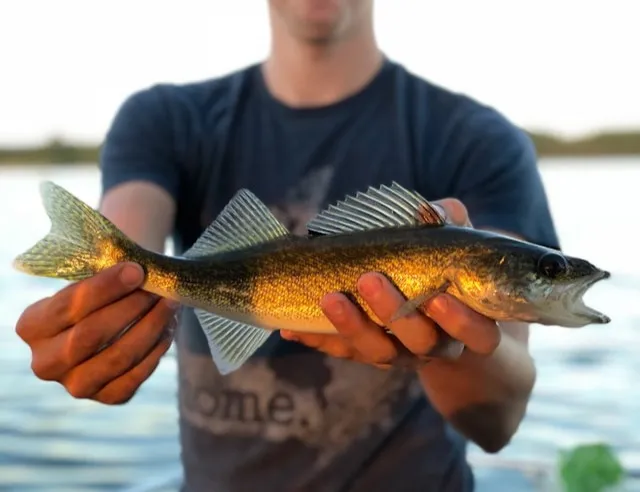
As the tide eased, one retrieve felt different. Beneath the weed was a small hound that had taken the bait without producing an obvious, unmistakable run. The earlier movement that had looked like a possible bite probably had been one after all. The fish was quickly unhooked and returned.
The catch showed why a difficult-looking period should not automatically be dismissed. The water was still moving and weed was still present, but for a short time the bait remained available long enough for a fish to find it.
One Slack Line Did Not Provide a Clear Answer
Later, the rod suddenly slack-lined. The angler reeled in around 40 yards before discovering that the complete rig was gone. The heavy line had parted despite the stronger fishing tackle chosen for the snaggy ground.
There was no way to confirm exactly what caused it. A fish may have moved toward the angler before reaching a mussel bed or another underwater snag. Something with teeth was another possibility, but the video did not provide enough evidence to identify the culprit.
That uncertainty matters. Calling every cut-off a large predatory fish may make a better story, but it does not help with the next cast. The useful response is to inspect where the line failed, consider the known snags and abrasion risks, and decide whether the same rig, distance and line protection are still appropriate.
In this case, losing the only 8 oz lead also changed the remaining options. The lighter 6 oz leads were sufficient while the flow stayed moderate, but they were unlikely to hold once the tide strengthened again.
A Quiet Rod Does Not Always Mean Better Conditions
After low water, the weed disappeared and the bait began returning almost untouched. On the surface, the session finally looked easier. The tide was less disruptive, the fishing line stayed cleaner and the rigs remained intact.
The bites, however, stopped.
The best action had occurred while the ebb was slowing, before the expected turn of the tide. Once the water changed, the fish appeared to move away. The angler had seen a similar pattern on other recent low-water marks: activity during the final part of the ebb, followed by a sudden switch-off around the turn.
One session cannot prove that fish behaviour has permanently changed. It does provide a useful note for the next visit: arrive early enough to fish the two hours before low water instead of treating the tide change as the only important period.
What the Rod Tip Cannot Tell You
Experience makes it easier to recognise how a particular mark behaves, but the rod tip still shows only what reaches it through the fishing line. It cannot reveal whether the bait is sitting cleanly, whether weed has settled around the rig, or which underwater obstacle may have damaged the line.
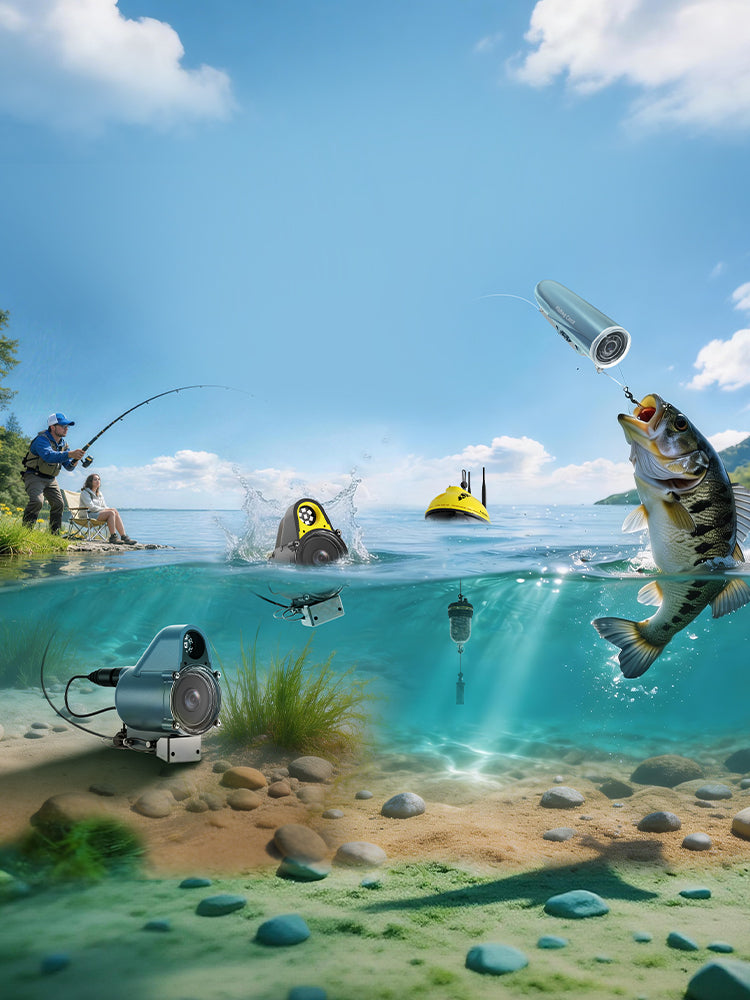
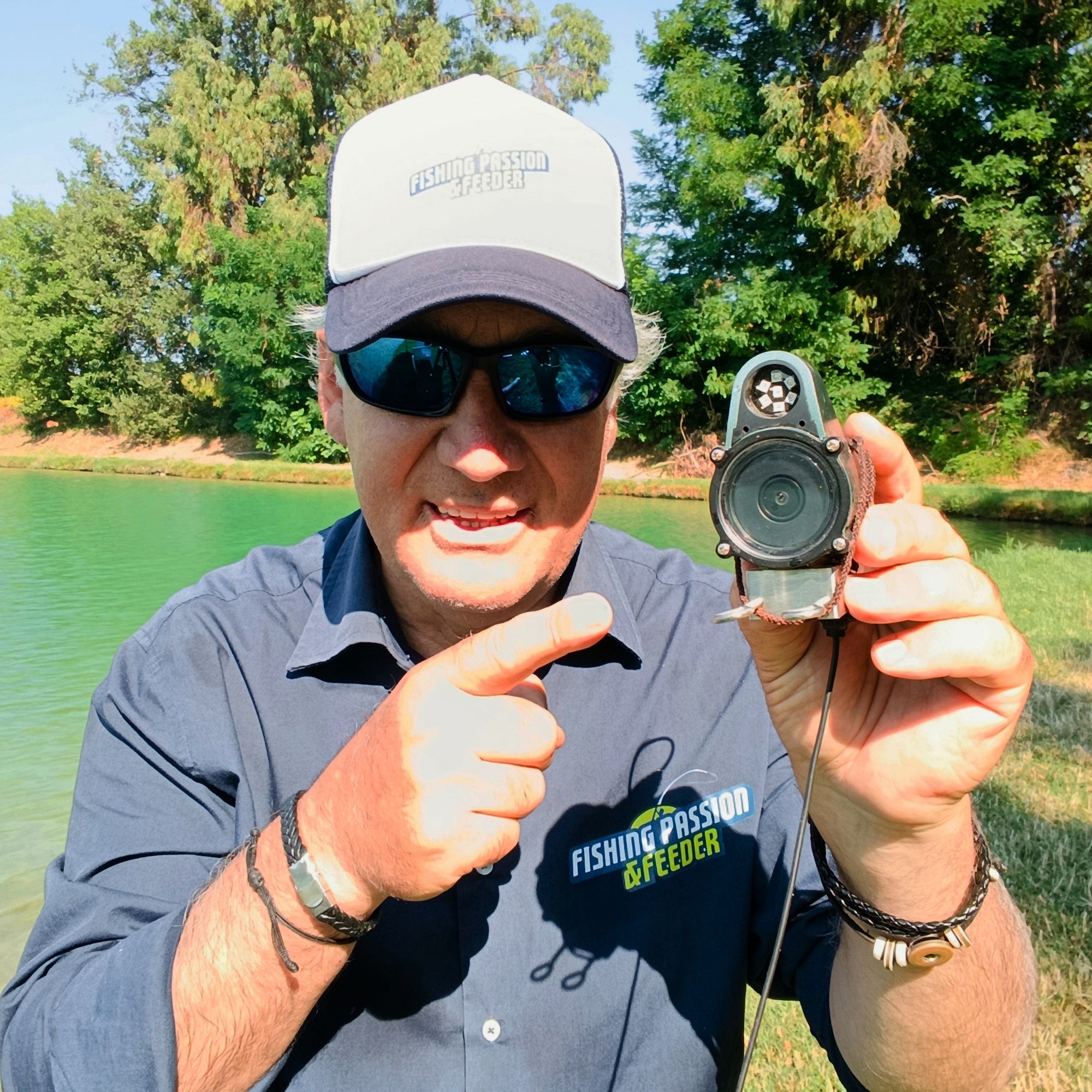
For anglers investigating the same uncertainty in suitable conditions, CHASING CanFish Fishing CamX offers another source of information by recording underwater footage. The clips are reviewed after retrieval through the CanFish App; Fishing CamX does not provide a live feed. When visibility and water movement allow, reviewing the footage may help an angler compare different rig positions or see how underwater conditions affect bait presentation.
It is not a replacement for reading the tide, the line and the rod tip. In fast, weed-filled water, visibility and camera stability may also be limited. The value is in adding evidence after the cast, especially when repeated retrieves still leave the same question unanswered.
Build the Next Session Around What Actually Happened
The session produced only one small fish, but it revealed a clear pattern. Heavy weed made the beginning difficult, the slowing ebb created a brief fishable window, and the apparently easier water after the tide turned produced no further bites.
That gives the angler several practical decisions for the next visit: arrive earlier, prepare more heavy leads, keep spare rigs ready, change weeded-out baits frequently and pay close attention to the final part of the ebb.
The unexpected part was not simply finding a small hound on the hook. It was discovering that the productive moment came while the water still looked difficult—and that the cleanest, calmest part of the session was also the quietest.