If you ask any freshwater angler in Australia what their dream catch is, chances are they’ll say the Murray Cod. Known as the king of Australia’s inland rivers, the Murray Cod is powerful, elusive, and capable of growing to monster sizes over 1 meter long and weighing over 100 pounds.
Catching a big Murray Cod is more than just a fishing trip — it’s a test of skill, patience, and persistence. These legendary fish are known for their explosive strikes, tough fights, and love of heavy cover like sunken logs and rock ledges. Whether you’re casting surface lures at dawn or slowly working a deep pool in the middle of winter, chasing Murray Cod is an unforgettable experience.
In this guide, we’ll cover everything you need to know about catching big Murray Cod in Australia, including the best times of year, gear recommendations, fishing techniques, and top locations. Whether you're a first-time angler or an experienced cod chaser, you'll find practical tips to help you land your next trophy fish.
What Is a Murray Cod? Meet Australia’s Freshwater Giant
The Murray Cod (Maccullochella peelii) is the largest native freshwater fish in Australia — and one of the most iconic species for Aussie anglers. Found mainly in the Murray-Darling Basin, these fish are known for their size, strength, and unique behavior.
They’re not just big — they’re ancient. Murray Cod have been part of the landscape for millions of years and feature in Aboriginal Dreamtime stories as river guardians.
How Big Do Murray Cod Get?
While most Murray Cod caught by anglers range between 50 to 80 cm, they can grow much larger. The biggest ones can reach over 1.3 meters in length and weigh more than 40 kilograms (88 lbs).
Their slow growth and long lifespan — often over 40 to 50 years — make them a special target, but also a species that needs care and responsible handling.
Natural Habitat and Behavior
Murray Cod live in rivers, creeks, billabongs, and impoundments throughout southeastern Australia. You’ll often find them:
- Lurking near submerged logs, rock ledges, or overhanging banks
- In slow-flowing or still water
- In both shallow margins and deep pools
They’re ambush predators, feeding mostly on other fish, yabbies (freshwater crayfish), frogs, and even small birds if they get the chance. Cod love to strike from cover, especially when something enters their territory.
Pro tip: If you’re fishing in clear water, look for timber and shadows — that’s where the cod are.
Smart and Territorial
Murray Cod are smart, territorial fish. They often stay in the same stretch of river or lake for long periods, especially the big ones. That’s why locals sometimes say, “If you spooked him today, try again tomorrow — he’s not going far.”
Best Time to Catch Murray Cod (By Season and Time of Day)
Catching a big Murray Cod isn’t just about choosing the right location — timing plays a huge role. These fish are smart, territorial, and respond to changes in water temperature and light. Knowing the right season and time of day can make the difference between a quiet day and a new personal best.
Summer (December–February) – High Activity Season
Summer is the peak time for Murray Cod fishing. Warm water increases their metabolism, which makes them more likely to feed actively and strike aggressively.
Best time of day:
- Early morning (before 9 AM)
- Late afternoon to dusk (after 5 PM)
These are the best windows for surface lures and topwater action. Cod often move into the shallows during these times, especially around submerged timber and structure.
Winter (June–August) – Time for Trophy Cod
Winter is colder, and Murray Cod become less active overall, but this is when some of the biggest fish are caught. The cold doesn't stop the giants — it just slows them down.
Best time of day:
- Mid-morning (10 AM to 12 PM), when water temperature slightly rises
- Late afternoon (3 PM to 5 PM)
Use larger lures and slow retrieves. Cod are less aggressive but more likely to strike if you present the right lure in the right spot.
Autumn (March–May) – Stable and Reliable
Autumn is a transitional period. Water temperatures begin to drop, but Murray Cod still feed well, especially in rivers and lakes with stable flows.
Best time of day:
- Sunrise and sunset
- Midday in cooler regions
This season offers flexibility — a variety of lure types can work, including spinnerbaits, hardbodies, and soft plastics.
Spring (September–November) – Spawning Season and Fishing Closures
Spring marks the Murray Cod breeding season. In most states like New South Wales and Victoria, there is a closed season from September 1 to November 30, meaning fishing for Murray Cod is not allowed during this time in rivers and creeks.
Always check your local regulations before fishing: Murray Cod Closed Season
General Tip: Low-Light Conditions Are Best
Regardless of the season, Murray Cod are most active during low-light periods. That’s why early mornings, late afternoons, and even night-time fishing can be especially productive.
Many experienced anglers target the “golden hour” — that 30-minute window just after sunset when the big fish come out to feed. In summer, some of the best cod are caught at night using large surface lures retrieved slowly across calm water.
Best Gear and Setup for Catching Murray Cod
To catch a big Murray Cod, you need the right gear. These fish are strong, aggressive, and often hooked near heavy cover like logs, rocks, and snags. That means your setup needs to be tough enough to handle hard strikes and keep the fish from diving back into structure.
Rod and Reel Setup
A heavy baitcaster or spinning combo is the most common choice for Murray Cod fishing.
Rod:
- Length: 6'2" to 7'6"
- Power: Heavy or Extra Heavy
- Action: Fast tip for solid hooksets
Reel:
- High-quality baitcaster or spin reel
- 6.3:1 gear ratio or higher for faster line retrieval
- Strong drag system (at least 10 kg)
This setup gives you power, control, and casting accuracy — all essential when you're fishing tight to structure.
Line and Leader
Murray Cod fight dirty. They’ll head straight for cover when hooked, so your line needs to be strong and abrasion-resistant.
Main line:
30 to 50 lb braided line
Leader:
60 to 80 lb fluorocarbon or mono leader
A heavy leader helps protect against sharp rocks, branches, and the cod’s strong jaw.
Best Lures for Murray Cod
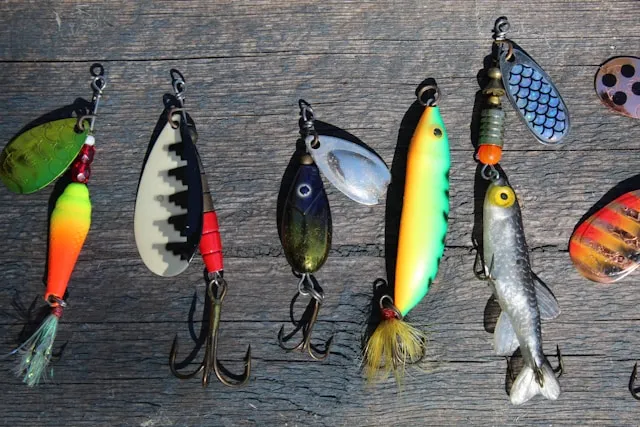
Murray Cod will hit a wide range of lures, but some types consistently perform better — especially when matched to conditions and seasons.
1. Surface Lures
Best for summer mornings and evenings. These lures create noise and movement on the water’s surface, triggering explosive strikes.
- Wakebaits
- Poppers
- Jointed swimbaits
- Buzzbaits
2. Spinnerbaits
Highly effective around structure, especially in murky or flowing water. The vibration and flash help cod locate the lure.
- Use 1oz to 2oz sizes
- Single or double-blade designs
3. Swimbaits and Hardbody Lures
Perfect for deeper water or colder months. Large swimbaits mimic injured fish and can tempt even lazy cod into striking.
- Soft plastic paddle tails (150mm to 250mm)
- Deep-diving hardbodies (e.g. Jackall Gantarel, Balista Juggernaut)
4. Soft Plastics
Good for slow, natural presentations. These work well in clear water or when the fish are less aggressive.
- Rigged on weedless jigheads or weighted hooks
- Ideal for dragging through logs and snags
Bonus Tool: Underwater Cameras and Fish Finders
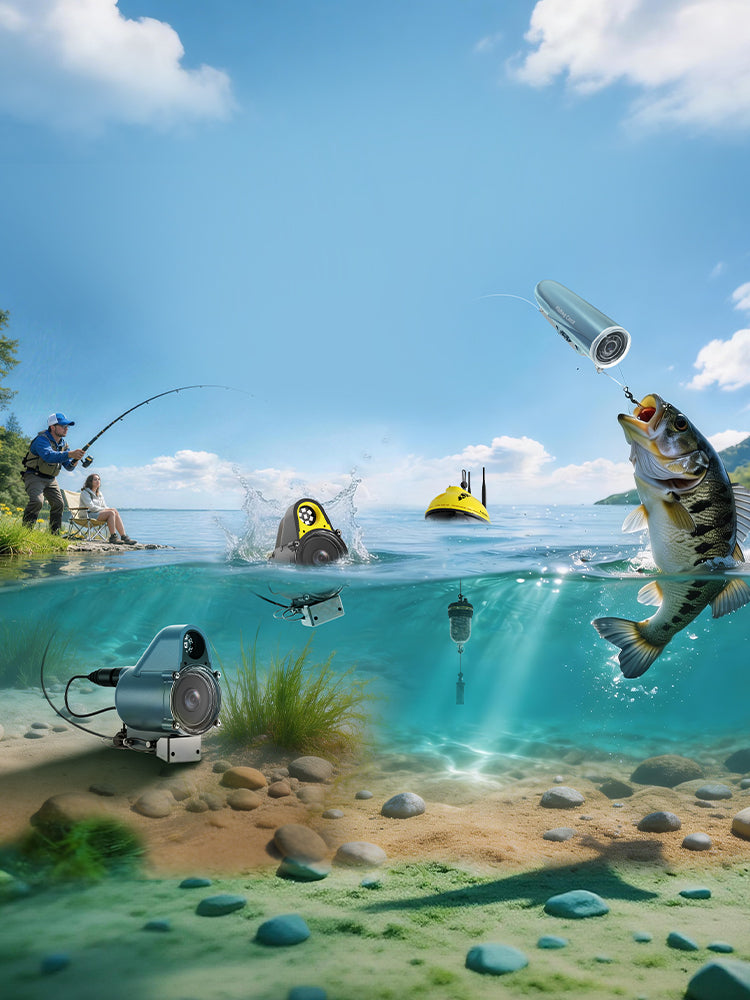
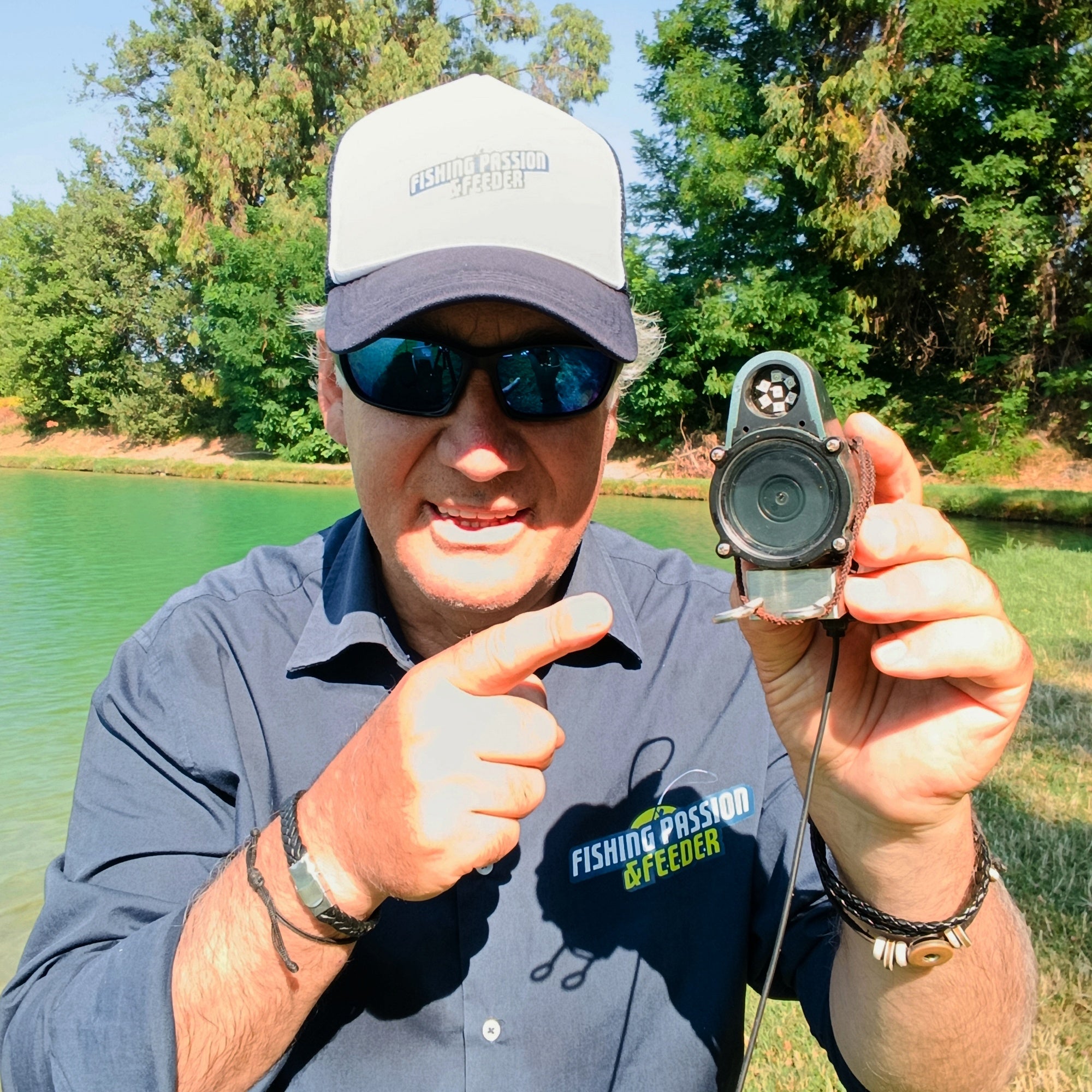
Modern tools like underwater fishing cameras can make a huge difference, especially when you’re targeting cod in deep pools or murky water. They help you locate fish faster, see how they react to your lure, and better understand their habitat.
One great option is the Chasing CanFish CF1 Underwater Fishing Camera. It offers real-time video, long battery life, and a tough, waterproof design that’s perfect for rivers and lakes where Murray Cod hide. Whether you're scouting structure or watching live fish movement, it gives you a serious edge on the water.