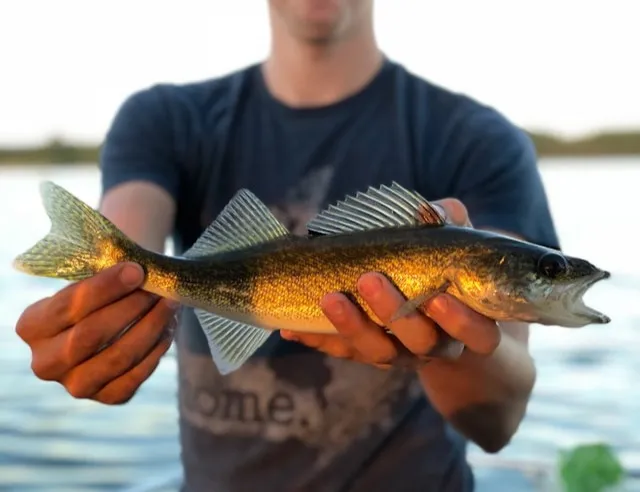
Summer bass fishing is a thrilling adventure. As water temperatures climb, largemouth and smallmouth bass spring into action, but the heat can push them into deep water or shaded cover. Choosing the right lures, gear, and strategies is key to landing big fish. This guide covers everything you need for summer bass fishing success in 2025, from bass behavior to top lures, tackle, and prime fishing spots.
Ready to reel in your next trophy bass? This is the only guide you’ll need for what to use for summer bass fishing!
Understanding Summer Bass Behavior
Bass are cold-blooded, meaning water temperature drives their behavior. In summer, water often exceeds their ideal 65-75°F (18-24°C), prompting these patterns:
- Midday: Bass retreat to deep water, shade, or structure (e.g., fallen trees, docks, rocks) to stay cool, reducing activity.
- Early Morning and Evening: Cooler water lures bass to shallow zones for feeding, boosting activity.
- Night: Large bass turn predatory, especially on warm nights.
Mastering these behaviors is crucial for effective summer bass fishing techniques and maximizing your catch.
Best Lures for Summer Bass Fishing
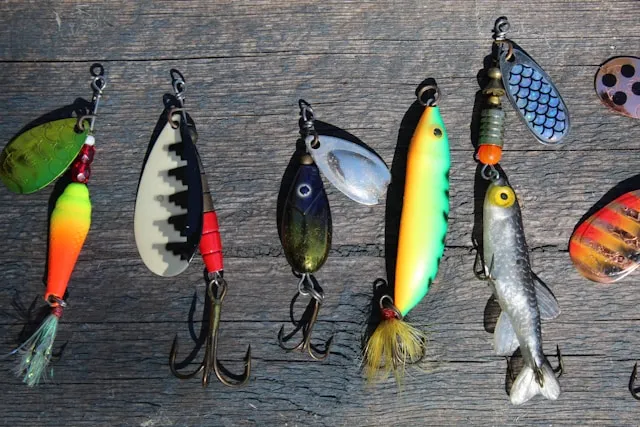
The right lures can make or break your summer bass fishing trip. Here’s what to use for summer bass fishing, tailored to conditions:
Topwater Lures
-
Best For: Early morning or evening in shallow water, weed mats, or lily pads.
-
Examples: Frogs, Pop-Rs, buzzbaits.
-
Technique: Hop or drag across the surface to mimic prey, triggering explosive strikes.
-
Color Tips: White or natural tones for clear water; bright yellow or chartreuse for murky water.
Soft Plastics
-
Best For: Midday, deep water, or heavy cover like shaded areas.
-
Examples: Texas- or Carolina-rigged plastic worms, creature baits.
-
Technique: Drag slowly or pause to keep bait in the strike zone, perfect for sluggish fish.
-
Color Tips: Watermelon or pumpkin to mimic small fish or crawfish.

Crankbaits & Jerkbaits
-
Best For: Mid-depth to deep water, especially around points or drop-offs.
-
Examples: Lipless crankbaits, SPRO Little John, jerkbaits.
-
Technique: Vary retrieve speed to control depth, imitating injured baitfish.
-
Color Tips: Match local forage like shad or crawfish.
Jigs
-
Best For: Heavy structure like submerged trees, piers, or docks.
-
Examples: Skirted jigs, finesse jigs with trailers.
-
Technique: Flip into cover or drag along the bottom to simulate prey.
-
Color Tips: Black or brown for stained water; green pumpkin for clear water.
Spinnerbaits & Chatterbaits
-
Best For: Windy or stained water, grass edges, or drop-offs.
-
Examples: White Terminator spinnerbaits, vibrating chatterbaits.
-
Technique: Quick retrieves create flash and vibration for aggressive strikes.
-
Color Tips: White or silver for murky water.
Pro Tips for Summer Bass Fishing Success
-
Color Selection: Natural tones in clear water; bright or dark colors in murky water.
-
Mix and Match: If topwater fails, switch to soft plastics or crankbaits for deeper fish.
-
Adaptability: Carry multiple lures to adjust to changing bass behavior.
Recommended Rod, Reel, and Line Setups
The right gear is essential for summer bass fishing, especially in heavy cover or deep water.
|
Gear Type |
Specification |
Best For |
|---|---|---|
|
Rod |
Medium-heavy, fast-action, 7-8 ft |
Heavy cover, big fish |
|
Reel |
Baitcaster (high gear ratio) |
Topwater, jigs |
|
Reel |
Spinning reel |
Finesse techniques (drop shot) |
|
Line |
Fluorocarbon (12-15 lb) |
Clear water, low visibility |
|
Line |
Braided (50 lb) |
Heavy vegetation, punching rigs |
|
Line |
Monofilament |
Topwater lures, floating action |
-
Rod: Medium-heavy, fast-action, 7-8 ft for control in thick vegetation or landing big bass.
-
Reel: Baitcasters for precision with topwater or jigs; spinning reels for finesse like drop shots.
-
Line: Fluorocarbon for clear water stealth, braided for heavy cover, monofilament for topwater buoyancy.
Where to Fish: Best Summer Bass Spots
Finding the right spots is critical for summer bass fishing success:
-
Deep Drop-offs: Points, humps, or channel edges with cooler water and ambush zones.
-
Fallen Trees & Piers: Shaded structure for bass to hide.
-
Docks & Grass Edges: Shallow, shaded areas for morning or evening bites.
-
Lily Pads & Weed Mats: Dense cover with shade and prey.
Using Electronics
-
Fish Finders/Sonar: Spot depth changes, baitfish, or rock piles. Use Navionics or Garmin maps to read contour lines.
-
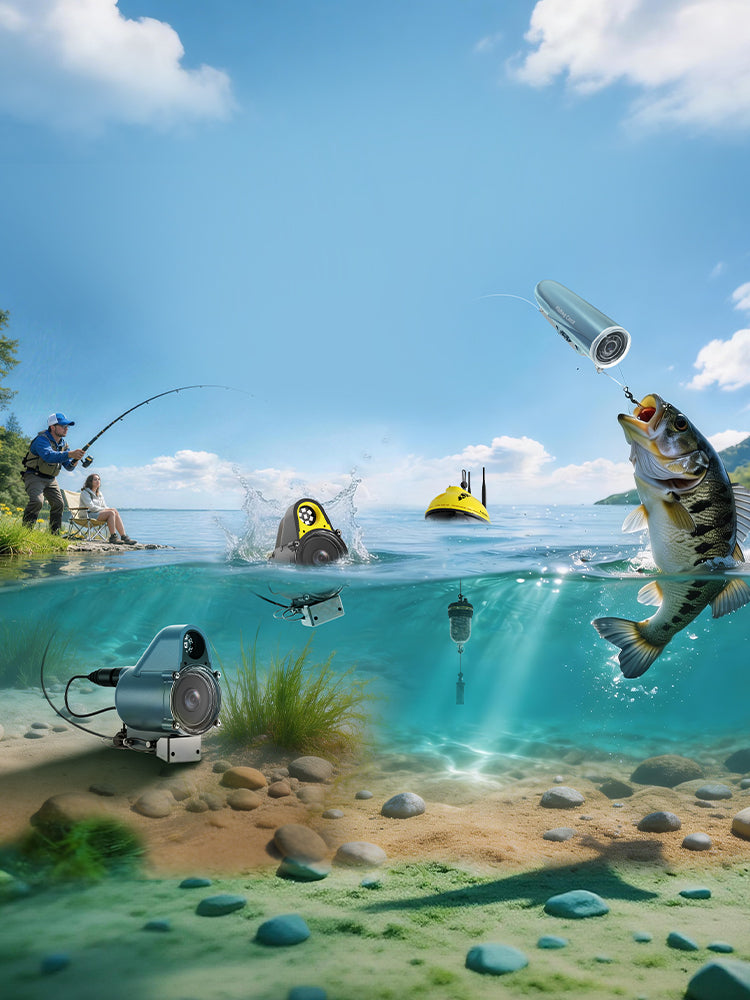
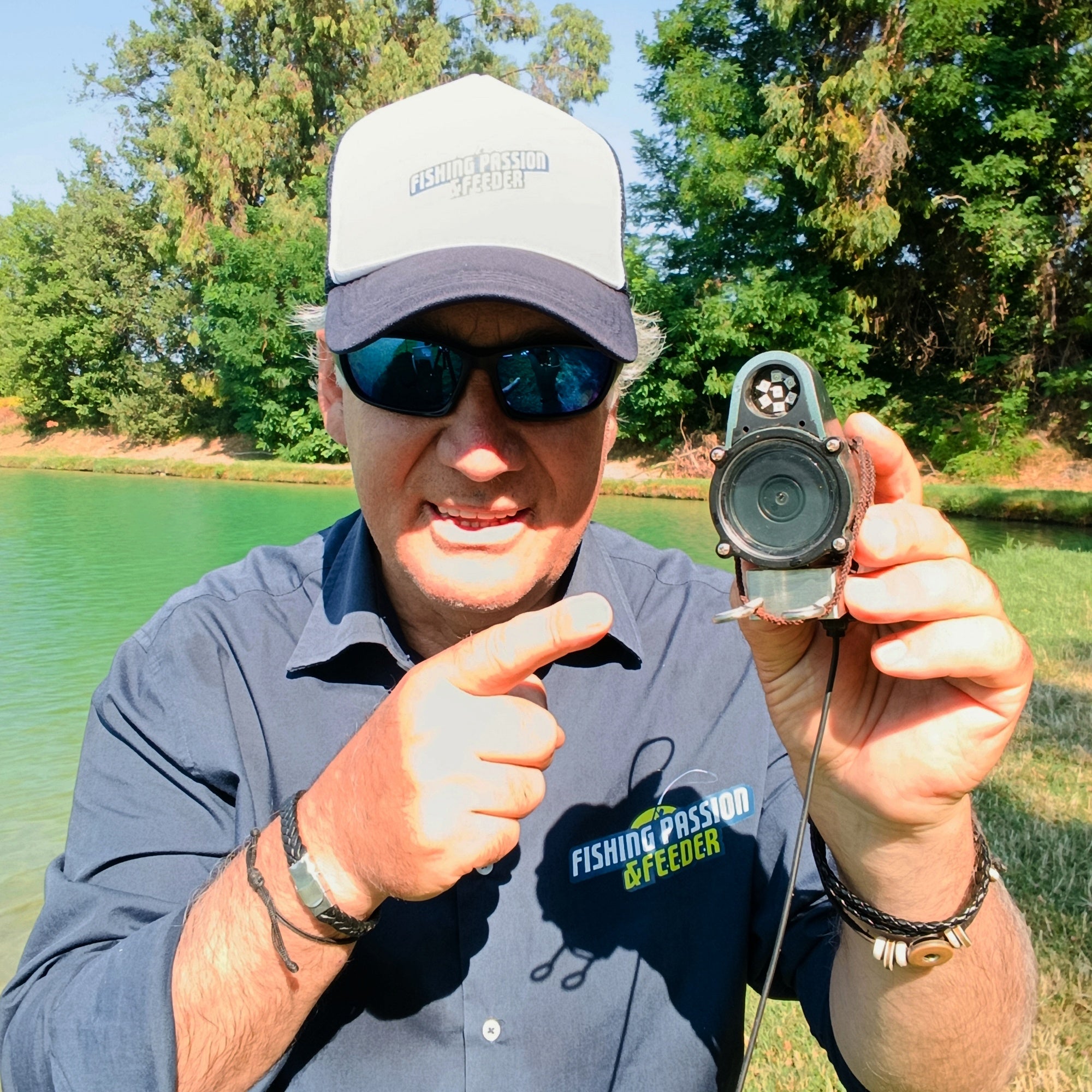
CanFish Lure Action Camera: The CanFish Fishing CamX captures underwater lure movement and fish reactions in real time, offering a visual edge over sonar for precise adjustments.
-
Pro Tip: Monitor tides, currents, and depth shifts to pinpoint bass locations.