Anglers often debate one question: which bait works better?
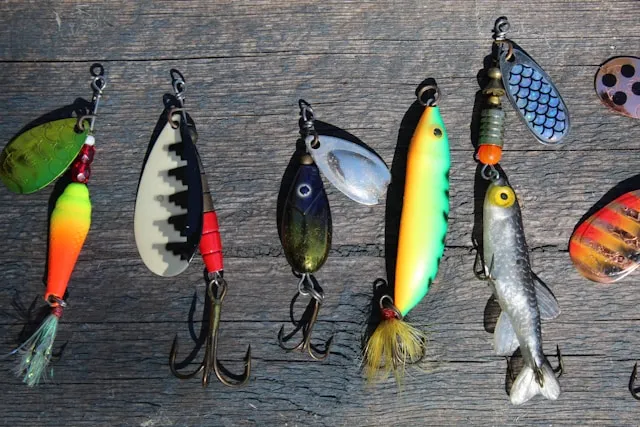
Worms feel more natural. Corn is affordable, stable, easy to prepare, and widely used for bottom fishing and fixed-spot fishing. But the real answer does not come from what anglers think. It comes from how fish actually react underwater.
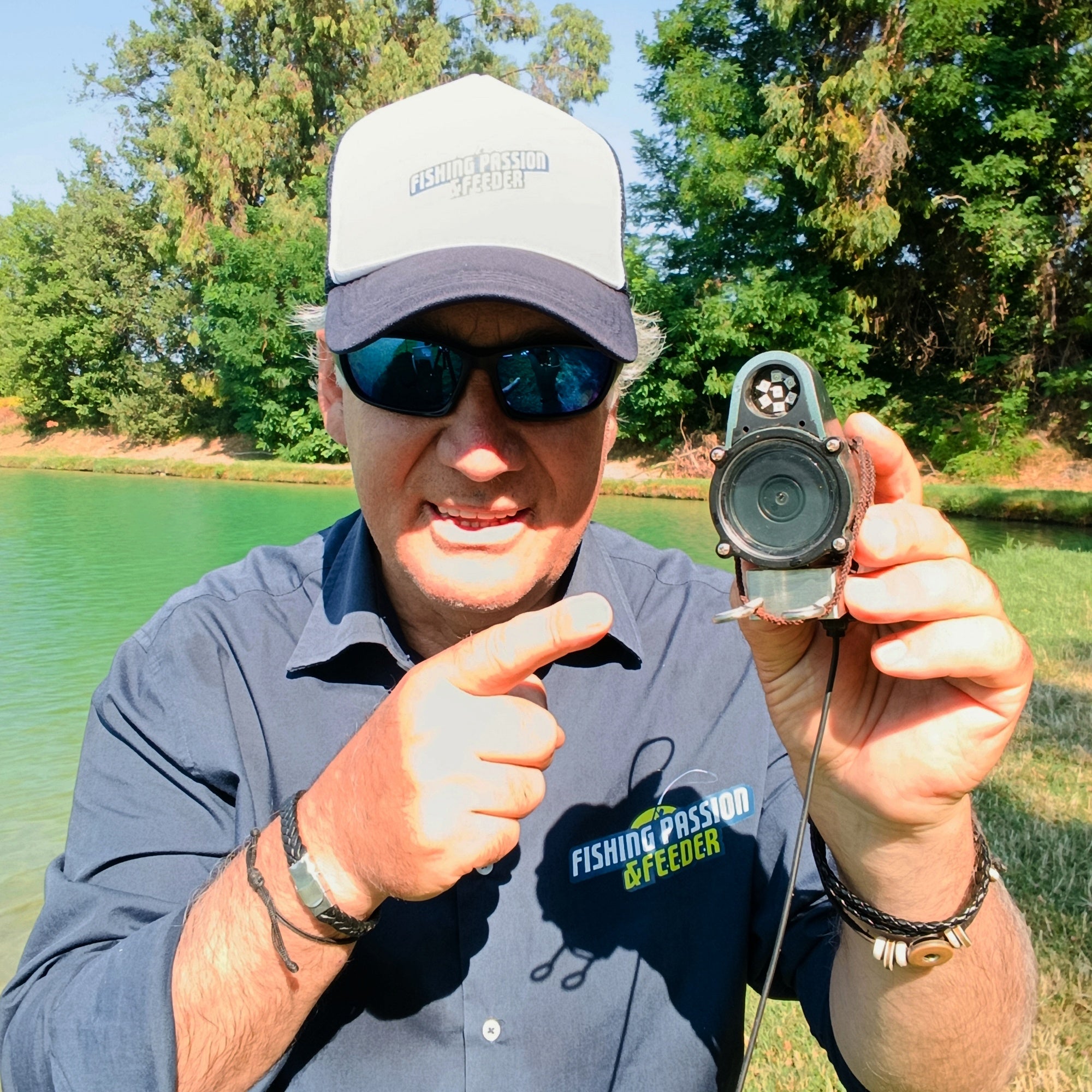
This underwater footage comes from a real fishing video published by Fishing Passion & Feeder. In the video, the creator set up a simple but revealing bait-choice test:
Will a bass choose worms or double corn kernels?

Video source: https://www.facebook.com/reel/2830339597320406
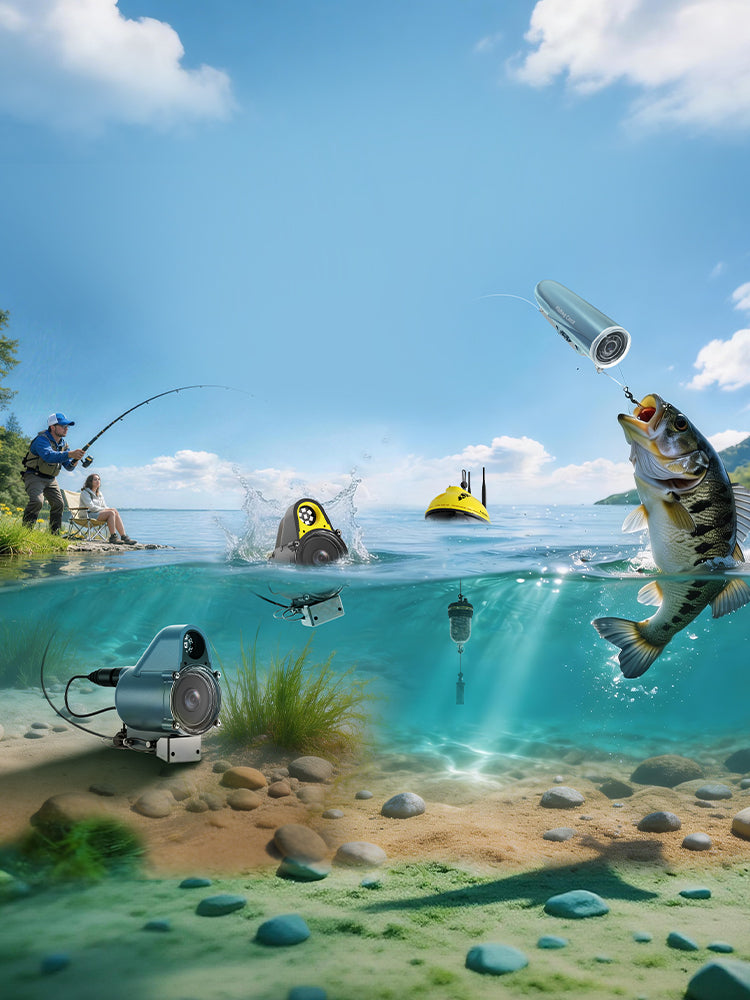
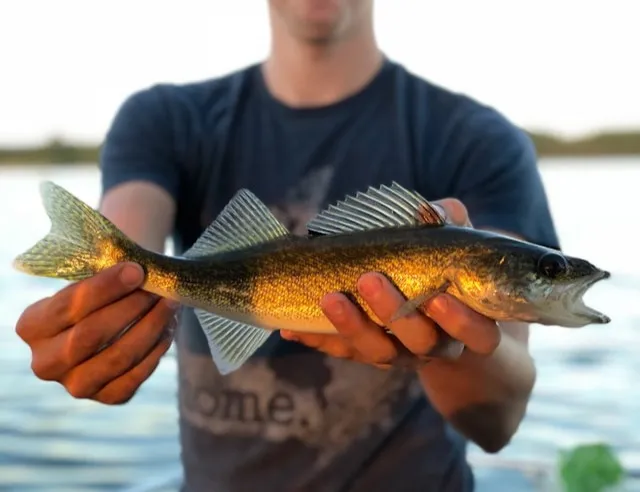
The moment was recorded with CanFish CF1. In the footage, a bass enters the frame, moves between the two baits, observes, approaches, and eventually makes a choice.
It is not a complicated experiment, but it is a useful one. It shows that fish do not simply “see bait and eat.” They observe. They hesitate. They decide.
From the bank, both corn and worms have clear advantages. Worms are closer to natural food and can quickly attract attention. Corn is stable, low-cost, and practical for longer sessions, especially when anglers want to hold fish in one area.
But underwater, the fish is not comparing two theories. It is responding to two real options in a specific environment.
Its reaction may depend on whether it is actively feeding, whether the bait is placed in a familiar position, whether other fish are creating competition, whether water temperature and clarity are suitable, and whether the bait size, color, scent, and presentation feel safe enough to investigate.
So the better question is not simply: is corn better than worms?
The better question is: in this specific situation, which bait does the fish respond to first?

That is what underwater observation can help reveal. It does not give anglers a fixed answer for every session. It shows how fish respond in the moment.
In the comments under the video, one angler made a practical point: corn is one of those classic baits that is inexpensive, easy to prepare, can help select better-sized fish, and is often a must-have for feeder or fixed-spot fishing.
That comment explains why corn remains so popular.
Corn is affordable and stable. It does not break down too quickly. In some situations, it can stay available for the target fish rather than being instantly picked apart by smaller fish. Its size and texture can also help reduce unwanted attention from tiny nuisance fish.
Corn may not always be the most aggressive attractor. But it is reliable. And in real fishing, reliability matters.
Worms have their own clear advantage. They resemble natural food, and their scent, texture, and movement can quickly draw fish in. When fish are active and willing to feed, worms can be highly effective.
But “more natural” does not always mean “chosen first.”
Some fish may be used to a certain feeding environment and respond more confidently to familiar bait. Some may be attracted by worms but hesitate before eating. Others may inspect both options and choose the bait that feels easier, safer, or more stable in that moment.

That is why underwater footage is so useful.
It does not only show what the fish finally chose. It also shows what happened before the choice: which bait the fish approached first, whether it paused, whether it inspected both options, and whether it backed away before deciding.
These are details anglers usually cannot see from above the water.
The most valuable part of this kind of footage is not just knowing which bait the fish finally chose. It is seeing the process before the choice.
Did the fish enter the swim? Did it show interest? Did it approach directly or circle first? Did it inspect the bait and back away? Did the two baits create different reactions in the same underwater setting?
Those details can influence what an angler does next.
Should you wait longer? Change bait? Adjust bait size? Move the bait slightly? Stay on the spot or move to a new area?
The value of CanFish CF1 is not simply that it helps anglers see fish. It helps anglers understand fish behavior.
Underwater footage will not make fishing completely predictable. Fish are still affected by weather, water temperature, clarity, pressure, light, and instinct.
But it gives anglers more evidence and less guesswork.
The most important takeaway is not whether the fish chose corn or worms in this one video.
It is that the angler could see the process: how the fish approached, how it judged, how it hesitated, and how it finally made a choice.
That is the real value of CanFish CF1:
not just seeing fish, but understanding how they react underwater.