The sonar screen looks promising. Several arches appear above a gradual drop-off, with a cluster of smaller returns suspended nearby. The water is deep enough to hold fish, the bottom structure looks interesting, and everything suggests that this stretch deserves a few casts.
Half an hour later, nothing has happened. The lure has passed through the area repeatedly without producing a strike. For an angler who has just invested in fishing electronics, the experience can be frustrating. The screen appeared to offer an answer, yet the fish have shown no interest.
This is where learning to read sonar becomes more valuable than simply learning to find marks. A fish finder can reveal underwater information, but interpreting that information and turning it into an effective fishing approach still requires judgement.
A Fish Arch Isn't the Whole Story
Traditional sonar works by transmitting sound pulses and measuring the returning echoes. Depending on the target's position, the movement of the transducer and the way an object passes through the sonar beam, a return may appear as an arch, a partial arch or another shape.
An arch is not automatic proof of a fish. Submerged objects can sometimes produce similar returns, while genuine fish do not always create perfect arches. The length of an arch is also affected by movement and time spent within the beam, rather than being a direct measurement of fish size.
For this reason, experienced anglers look beyond individual marks. A group of suspended returns, the strength and consistency of the signals, and their relationship to bottom features can provide a more useful picture.
The depth scale is particularly important. A likely fish target suspended several feet above the lakebed presents a different fishing opportunity from one holding close to the bottom. The same lure and retrieve may be unsuitable for both.
Before changing location, it is often worth examining the water column more carefully.
Depth Matters More Than the Number of Marks
Consider a typical reservoir situation. The bottom drops from a shallow shelf into deeper water, and several likely fish returns appear consistently around the same depth.
An angler might instinctively let a lure sink all the way to the bottom, assuming that deeper water requires a deeper presentation. However, if the targets are suspended well above the lakebed, that approach may take the lure beneath the most relevant activity.
A better starting point is to work the depth band where the returns are appearing, then vary retrieve speed and lure action according to the target species and conditions.
The position of baitfish can offer another clue. Predatory fish often respond to concentrations of available prey, although a sonar display cannot establish feeding behaviour from a single image.
When smaller returns appear around a particular depth and larger targets are detected nearby, the relationship deserves attention. It may indicate an area where predator and prey overlap, but confirmation comes through continued observation and fishing results.
Rather than treating every target as an invitation to cast, anglers benefit from identifying consistent depth patterns.
Structure Gives the Marks Meaning
Fish rarely use every part of a lake in the same way. Drop-offs, underwater points, weed edges and submerged features can influence movement by providing cover, feeding opportunities or changes in depth.
A sonar return becomes more informative when viewed in relation to these features.
Fish appearing beside a steep break may be using the transition between shallow and deep water. Returns around vegetation might indicate activity near cover, while targets suspended over open water may require a different presentation altogether.
It's also important to remember that conventional downward-looking sonar primarily shows information within its beam. It doesn't provide a complete map of everything surrounding the angler.
Repeated passes, consistent positioning and an understanding of the sonar's coverage help distinguish an isolated return from a potentially useful pattern.
This is where watercraft and electronics work together. The angler interprets the feature, considers the species being targeted and selects a presentation that fits the conditions.
When Sonar and Underwater Vision Work Together
Sonar provides information through acoustic reflections, while underwater cameras offer a direct visual perspective within their viewing range. Both can contribute to understanding a fishing area, but they answer different questions.
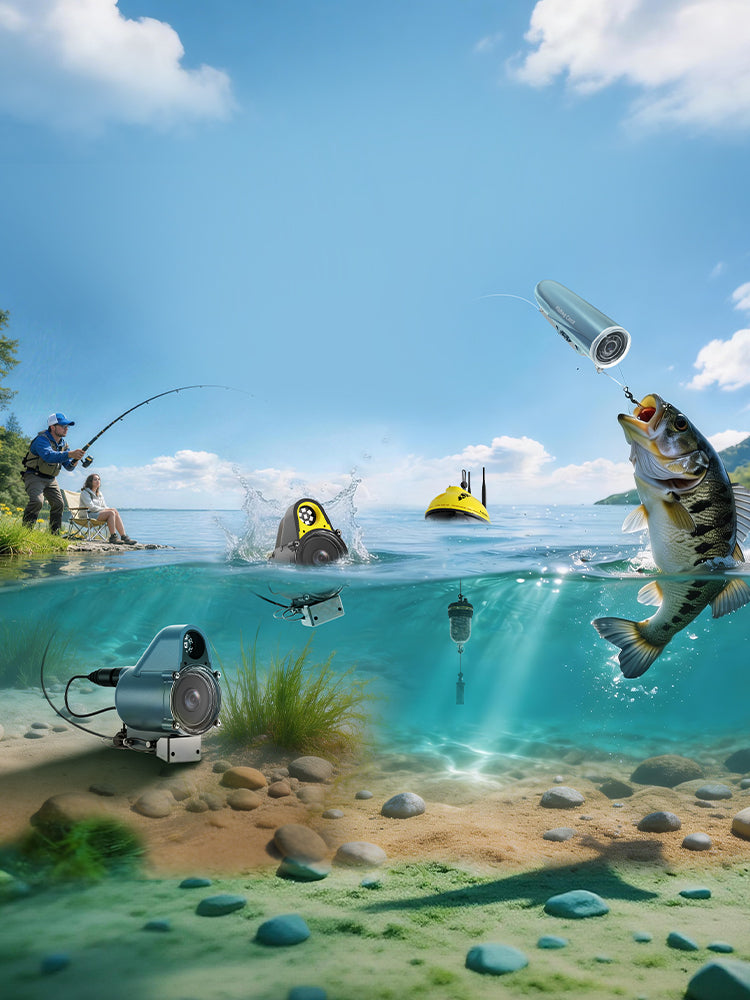
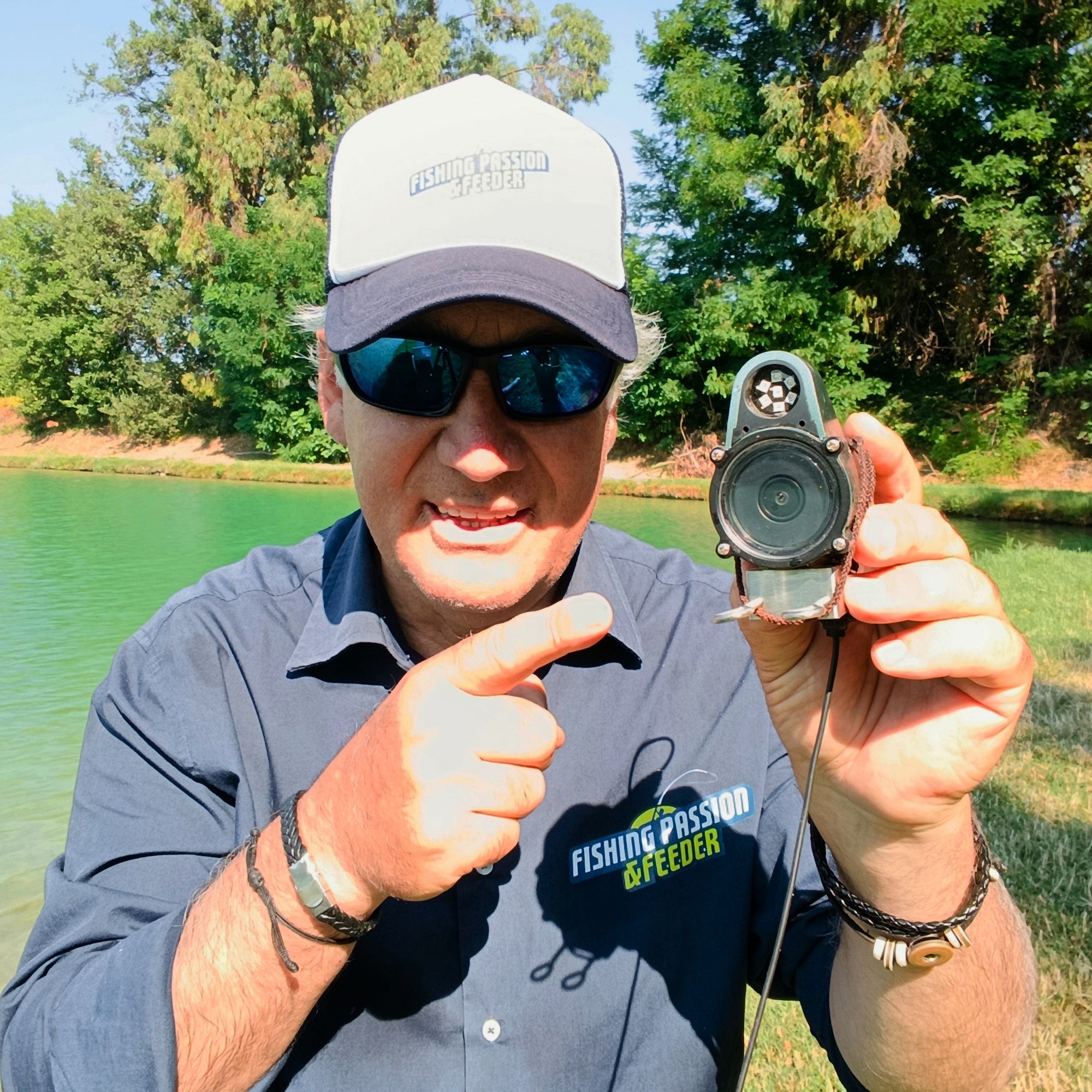
The CHASING CanFish F2 combines Dual-Frequency Sonar, Underwater Vision and AI Auto Cruise in a single 3-in-1 AI Fishing Scout.

Within its practical operating area, the sonar can help anglers examine depth changes and identify potential underwater targets. When water clarity allows, the adjustable-depth camera can then provide a closer look at nearby vegetation, bottom conditions or visible fish activity.
For example, a cluster of returns beside a weed edge may encourage an angler to inspect the feature more closely. Visual observation could help establish whether the area contains dense weed, an open channel or a relatively clear bottom.
Such information may influence where a rig is positioned or how a lure is presented around the feature.
The distinction matters: sonar can suggest where activity or structure may exist, while the camera can help verify visible details within reach. Neither technology can guarantee the species, feeding intention or catchability of every target.
Turning Information into a Fishing Decision
The real advantage of sonar comes when anglers use its information to make deliberate adjustments rather than chase every mark on the screen.
If likely fish returns remain concentrated at a particular depth, keeping the presentation within that range can be more productive than constantly changing locations. If activity appears repeatedly near a specific feature, the next step may be to work that structure carefully from several suitable angles.
When fish appear to be present but refuse to strike, changing retrieve speed, lure size, presentation depth or timing may be more useful than searching immediately for another group of targets.
Equally, there are occasions when moving is the sensible choice. If repeated observations reveal little relevant activity and conditions elsewhere look more promising, continuing to fish the same water may offer limited opportunity.
Successful sonar fishing isn't about responding to every new signal. It's about recognising which information is relevant and applying it to a specific fishing situation.

From Seeing Fish to Understanding Water
Fishing electronics have transformed how anglers investigate unfamiliar water, but their greatest value isn't the number of fish-like symbols displayed on a screen.
It's the ability to reveal depth, structure and potential activity that would otherwise remain hidden.
A promising sonar return is the beginning of an investigation, not the end of one. Anglers still need to consider how fish use the water, where a presentation should travel and whether changing conditions require a different approach.
The most effective fishing decisions come when electronic information is combined with observation, experience and an understanding of fish behaviour.
Finding a mark on sonar is useful. Knowing what to do with that information is what makes it valuable.