A good-looking stretch of cover can keep a bass angler casting for a long time. Weed along the bank, a fallen tree reaching into the water, or a few gaps between heavier vegetation all look like obvious targets.
The problem is that the visible part rarely shows the full layout. Weed may extend much farther underwater than expected, a laydown may spread into a wide field of branches, and a small opening from the bank may connect to a clean lane below the surface. Those details affect where the lure should land, how deep it should run and which retrieve path makes the most sense.
Read the Cover Before Changing the Lure

When a good-looking spot produces nothing, changing lures is an easy response. But if the underwater layout is different from what you assumed, a new lure may still follow the same unproductive route.
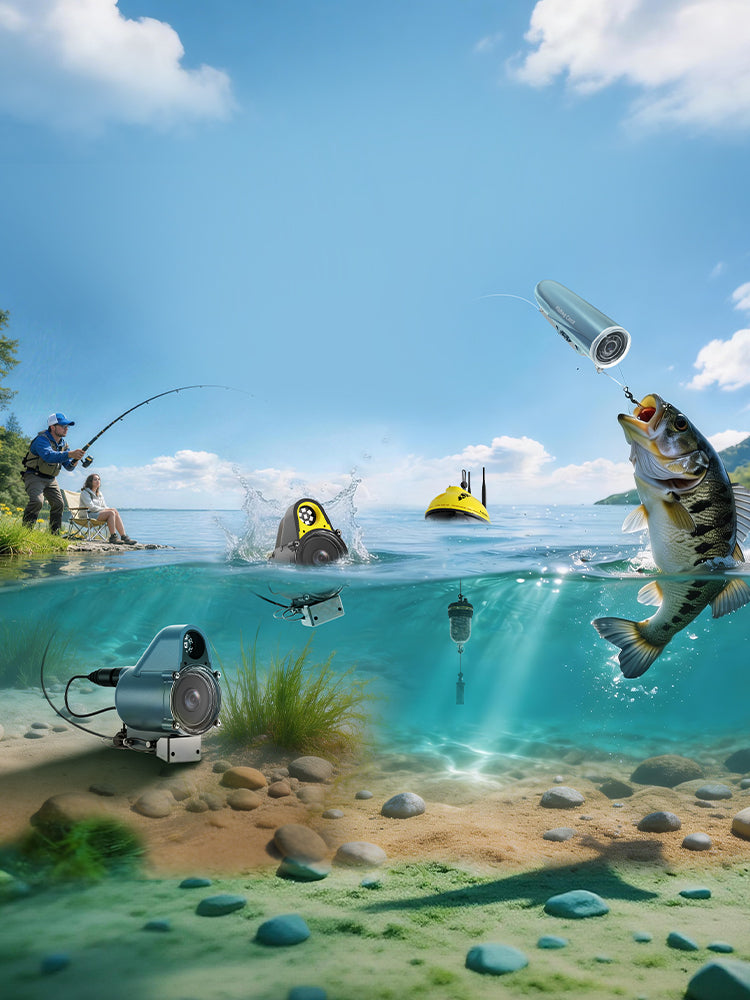
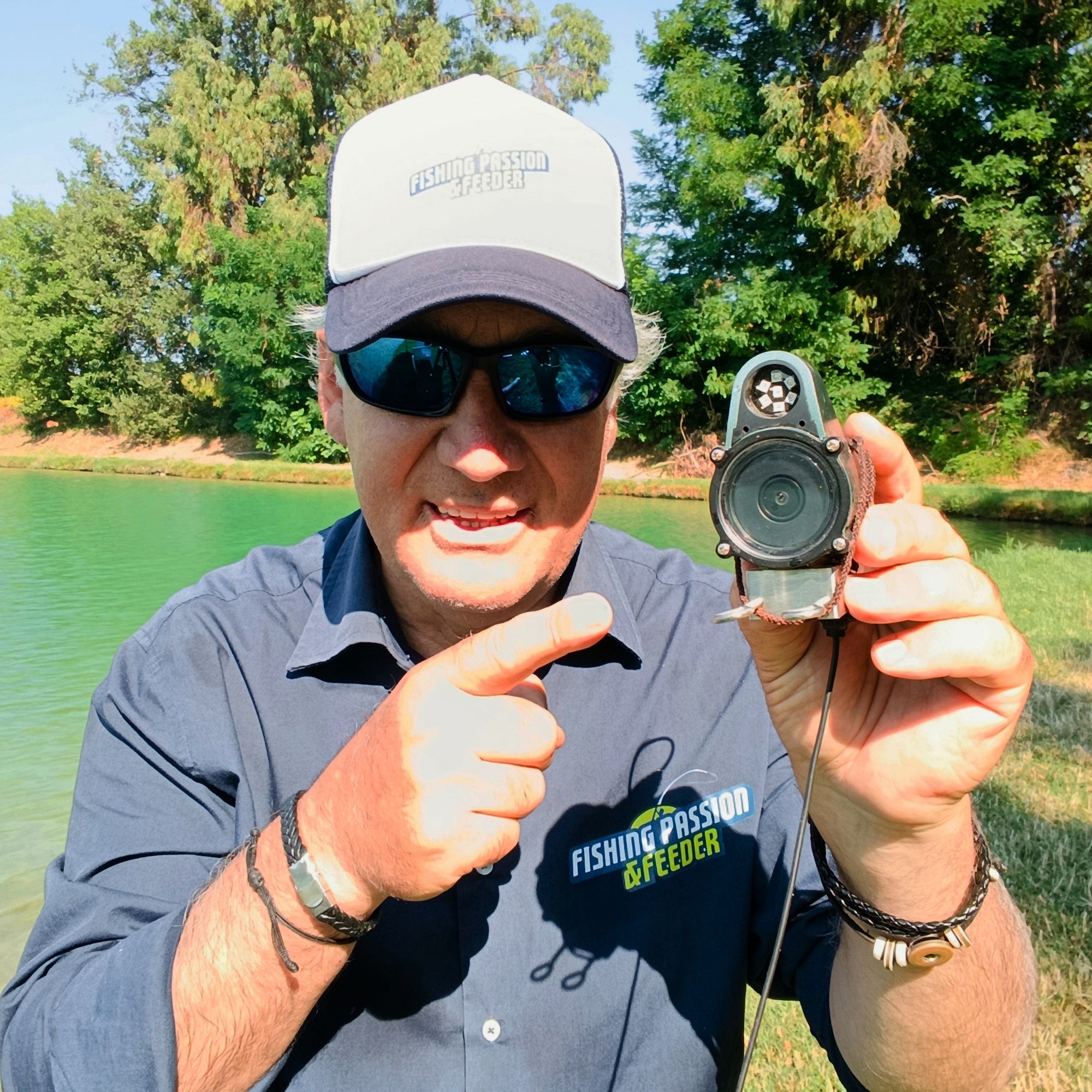
The dual-frequency fishing sonar on CHASING CanFish F2 can first help show depth changes and how far a feature extends away from the bank. Once a section looks worth checking, the underwater fishing camera can be lowered to inspect the cover itself.
For bass fishing, the useful information is usually not whether a bass appears on camera. It is whether the cover is arranged in a way that changes how the next cast should be made.
Find the Real Weed Edge

The visible weed line is not always the most useful edge to fish.
Vegetation may continue several meters underwater before finally giving way to open water. If you keep casting only at the edge you can see, the lure may spend most of the retrieve over dense weed instead of working the transition where the vegetation actually ends.
Once the true outside edge is clear, the cast can be adjusted accordingly. You can work parallel to the weed so the lure stays close to the transition longer, cut across the edge from open water, or choose a lure that reaches the depth where the vegetation finally breaks.
The key information is not simply that weed is present, but where the weed ends and fishable water begins.
With Laydowns, the Retrieve Route Matters
A fallen tree can look simple from above but become much more complex underwater. The visible trunk may enter the water at one angle while larger branches spread sideways beneath it.
If you cast straight at the tree from the same direction every time, the lure may repeatedly pass through the thickest part of the cover. Seeing the branch layout makes it easier to choose a cleaner route.
If one side of the laydown is more open, that side becomes a better first option. If the branches spread outward, working along the edge can keep the lure close to cover without pulling it through the heaviest tangle. When the structure is especially dense, a more weedless presentation may also make more sense than repeatedly fishing an exposed hook through the same branches.
The target stays the same, but the way you fish it changes.
Open Pockets Give You a More Precise Target
Dense cover often contains small openings that are difficult to see from shore. A gap between weed beds, a cleaner strip beside submerged timber or an open pocket behind heavier vegetation can give a lure room to work while keeping it close to cover.
Once one of these areas is identified, the cast becomes more precise. Instead of simply throwing at the whole cover line, the lure can be placed into the opening, brought along the edge or worked through the cleanest lane.
This is where underwater vision becomes useful: it turns a broad target into a specific route.
Better Cover Information Means Better Casts
Looking underwater is not about removing every uncertainty or expecting to see bass on camera. The practical value is understanding the cover well enough to make fewer blind casts.
With CHASING CanFish, fishing sonar can help narrow down depth and structure, while underwater vision can show how the cover is actually arranged. That information can change casting angle, lure depth, retrieve path and presentation choice.
A good-looking cover line is only the starting point. The more useful question is how the lure should move through it.