Seeing fish on sonar is useful, but reacting to every new mark can make a session less effective.
The better question is not where the latest fish appeared. It is whether the returns are forming a pattern that tells you where fish repeatedly use the water.
Compare Depth Before Location

Before moving toward every new mark, compare the depth first.
If most returns appear within the same depth band, that is often more useful than their exact horizontal position. Fish moving through different parts of the area may still be using the same depth consistently.
In that case, keep the lure or rig working in that depth range before making a larger location change. If the activity shifts noticeably deeper or shallower over time, then adjust the presentation depth with it.
Look for a Feature the Fish Keep Using
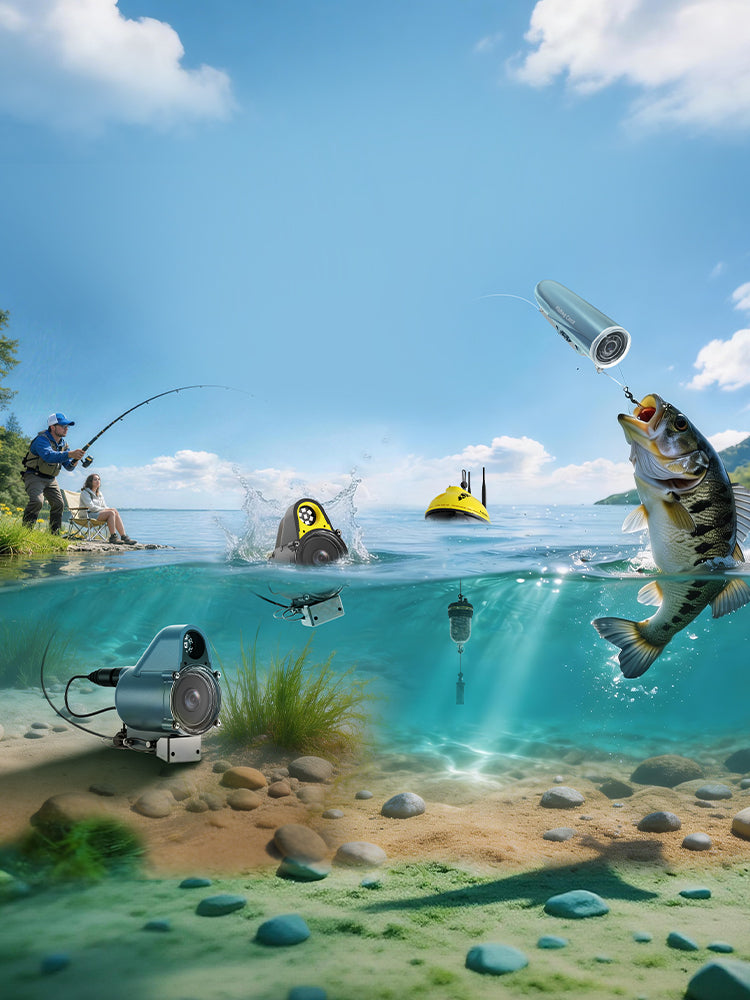
The dual-frequency fishing sonar on CHASING CanFish F2 can help show whether repeated activity is associated with a feature rather than randomly scattered across the water.
Fish may keep appearing along the outside of a weed line, around the end of a point, beside a depth change or through a narrow section between two features.
That matters because a feature gives you something repeatable to fish. Instead of following the last fish mark, place the lure where fish are repeatedly travelling through the same area.
Treat Moving Fish as a Route, Not a Target
If fish are clearly moving, chasing the latest return can put you behind them.
A better approach is to identify where they repeatedly enter and leave the area. If several passes show fish moving along the same weed edge, work the lure parallel to that route. If activity keeps crossing the same depth break, position the presentation so it stays near that break longer.
For a static rig, place it near the repeated travel route rather than on the exact point where one fish happened to appear.
The aim is to intercept movement, not follow it.
Use the Camera to Understand Why the Route Works

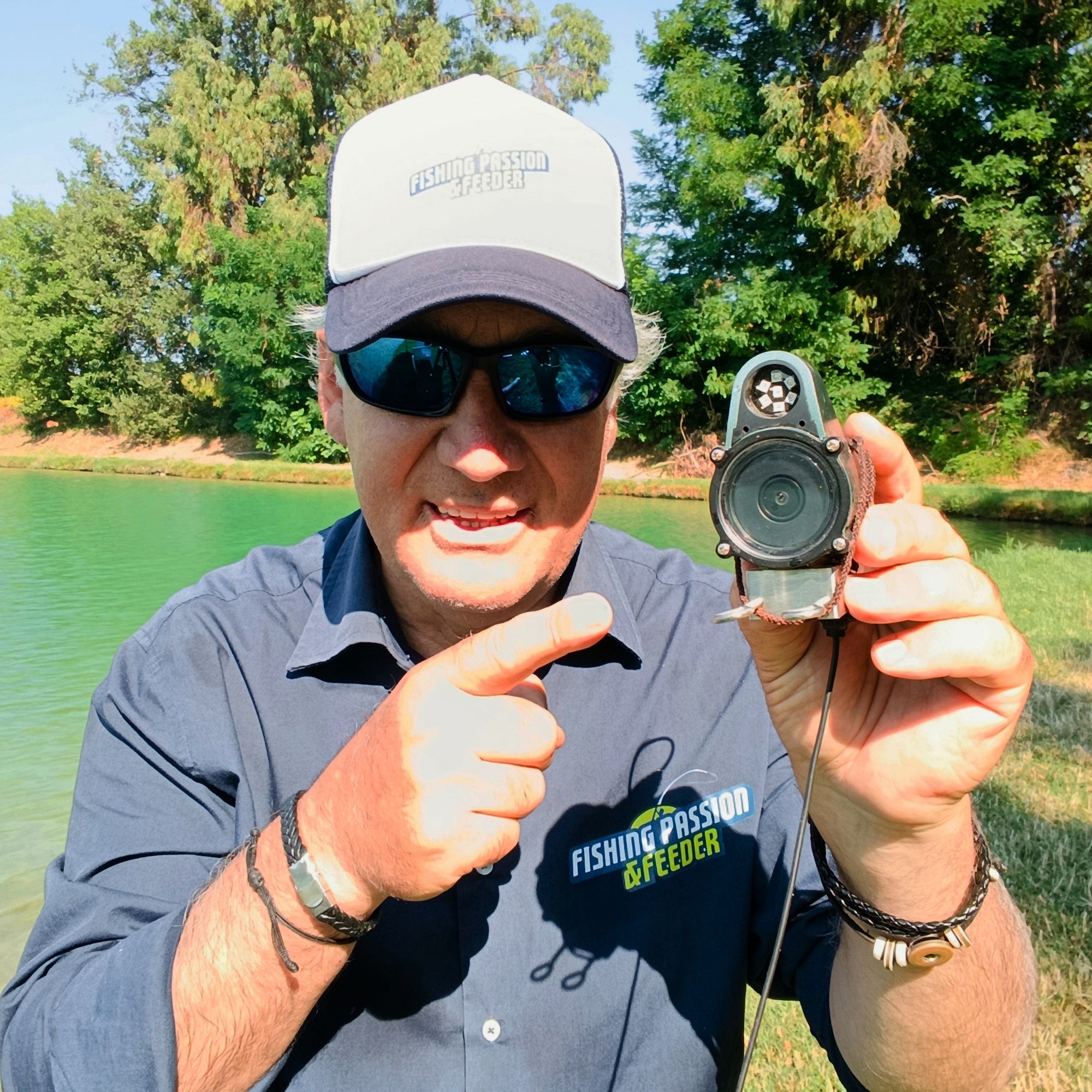
Once a repeated sonar pattern is found, the underwater fishing camera on CanFish F2 can help inspect the surrounding cover and structure.
The camera does not need to show the fish themselves. It is more useful for understanding whether the route follows a weed edge, submerged timber, an open lane or another piece of cover.
That information can make the presentation more precise. If fish repeatedly travel along the outside of weed, keep the lure on that edge. If the route passes beside submerged timber, work the open side rather than pulling through the thickest branches. If the feature has a narrow open lane, concentrate casts there instead of covering the entire area equally.
Know When to Stop Scanning
Once the same depth and feature keep producing activity, additional scanning may add very little.
At that point, give the area enough fishing time to test the pattern properly. If the pattern continues but there are no bites, change presentation before abandoning the location. If the activity disappears completely, then scan again or move.
With CHASING CanFish, the useful sequence is simple: find a repeated pattern, understand the feature behind it, then fish the pattern long enough to test it.