A good sonar return can make a swim look worth fishing, but for carp fishing the final decision is not simply whether fish are present. The rig may stay in place for several hours, so the exact bottom around the hookbait matters just as much as the wider area.
The useful process is to narrow the swim with fishing sonar, check the final few meters with an underwater fishing camera, and only then decide whether to place the rig, move it slightly or keep searching.
Use Sonar to Narrow the Swim
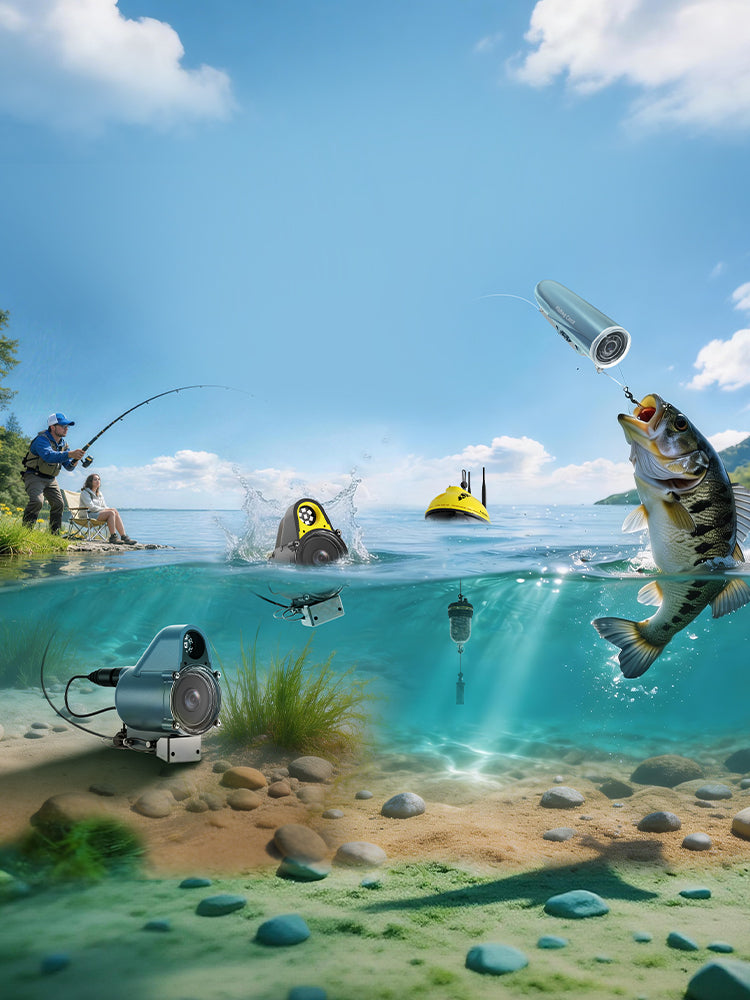
The dual-frequency fishing sonar on CHASING CanFish F2 can first help identify depth changes, features and areas where activity appears repeatedly.
At this stage, the aim is not to choose the exact rig position. It is to eliminate unproductive water and find a smaller area worth checking more closely.
If several passes keep showing activity around the same depth change or feature, that area deserves attention. One isolated return elsewhere is usually less useful than a repeated pattern in the same part of the swim.
Check the Final Few Meters With the Camera
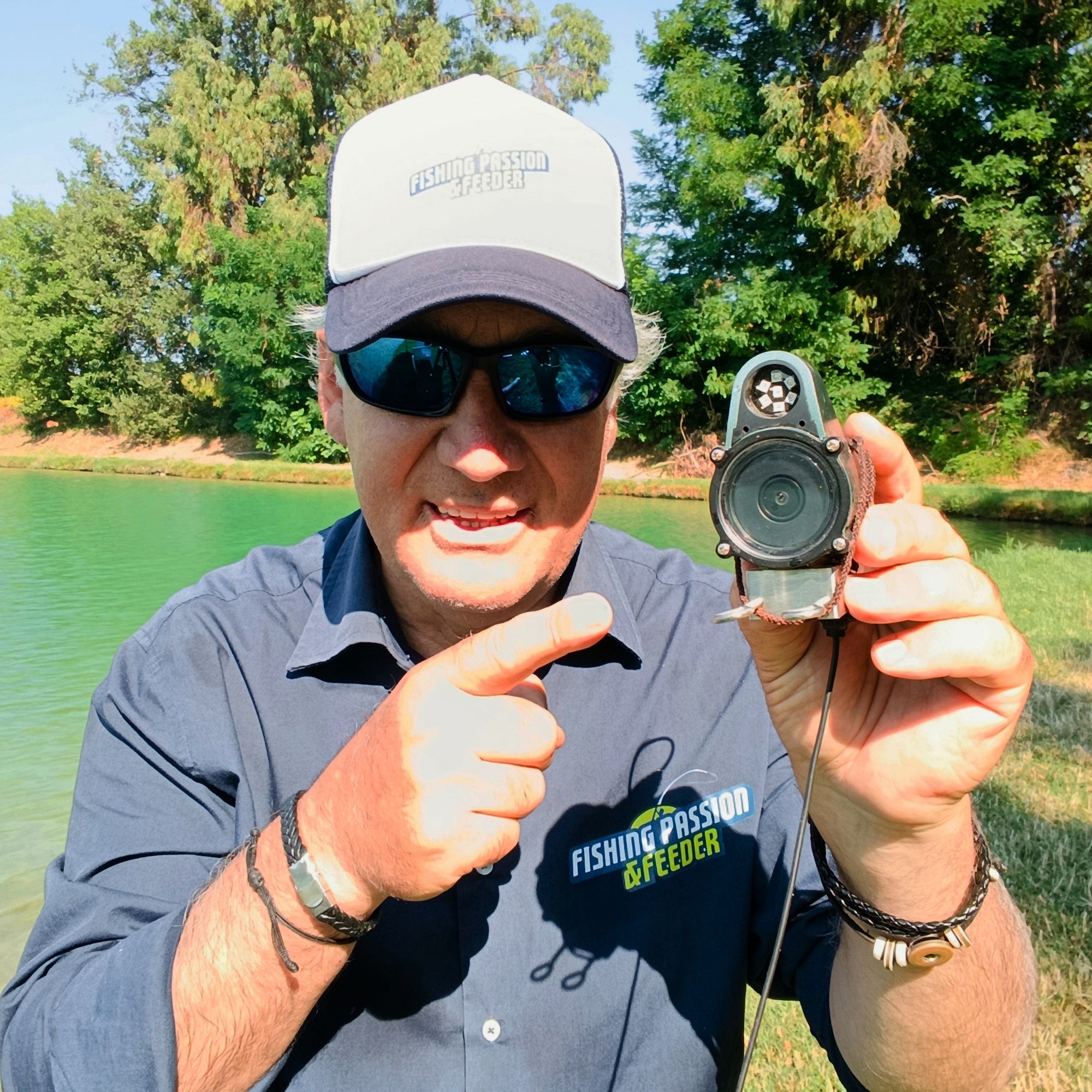
Once the area is narrowed down, the underwater fishing camera becomes more useful than another wide scan.
For carp fishing, the key things to check are whether the intended spot is open enough for the rig, whether weed reaches farther across the bottom than expected, and whether a cleaner patch sits nearby.
If the first position is surrounded by thicker weed but a clear patch lies two or three meters away, there is little reason to abandon the whole swim. Shift the rig onto the cleaner ground while keeping the same general area.
If the bottom looks consistent with what you expected, stop searching and place the rig.
Match the Rig Position to the Bottom You Actually Have

Different underwater conditions should lead to different decisions.
A relatively open patch gives more freedom in rig placement. A weedier area may require moving the hookbait to an edge or a small clear pocket rather than dropping it into the thickest part. If the bottom appears soft or silty, the angler may also prefer a rig presentation that is less likely to bury too deeply.
The important point is not to identify every bottom type perfectly from the fishing camera. It is to see enough to avoid placing the rig somewhere that clearly does not suit the presentation.
Small Moves Often Matter More Than a New Swim
When fish activity is already concentrated around one feature, a small adjustment is often more useful than starting again.
Move a few meters onto cleaner ground, place the rig closer to the edge of weed rather than inside it, or use a nearby open patch instead of the exact point that first looked good on sonar.
This turns the question from “Is this swim good?” into “Where inside this swim should the rig actually sit?”
That is a much more useful decision for a long carp session.
Check Before the Waiting Starts
The longer a rig stays in the water, the more important it is to trust the placement.
CHASING CanFish helps separate two jobs: fishing sonar identifies the area worth fishing, while underwater vision checks whether the final rig position makes sense.
The practical result is simple: if the bottom suits the rig, fish it; if a better patch is only a few meters away, move; if neither the activity nor the bottom gives a reason to stay, keep searching.