You put the bait out, wait for fish to arrive, but nothing happens. The rod stays still, the bite alarm remains silent, and one question starts to come to mind: what is actually happening down there?
Many carp anglers have experienced this situation. They arrive at a familiar lake, set up their rods, cast out their rigs, introduce bait, and settle in for the wait. But beneath the surface, the reality of the fishing spot often remains hidden.
Is the bottom made of mud, sand, or gravel? Are there obstacles around the rig? Is anything approaching the bait? Is the bait still there after hours in the water?
In the past, most of these questions could only be answered through experience and observation from the bank.
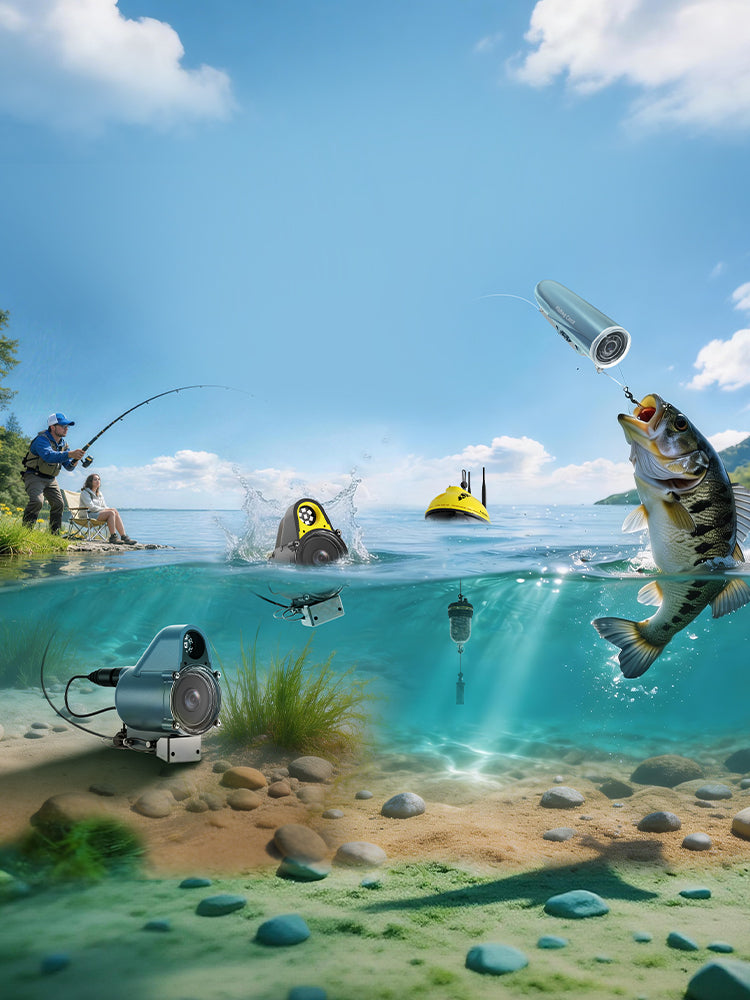
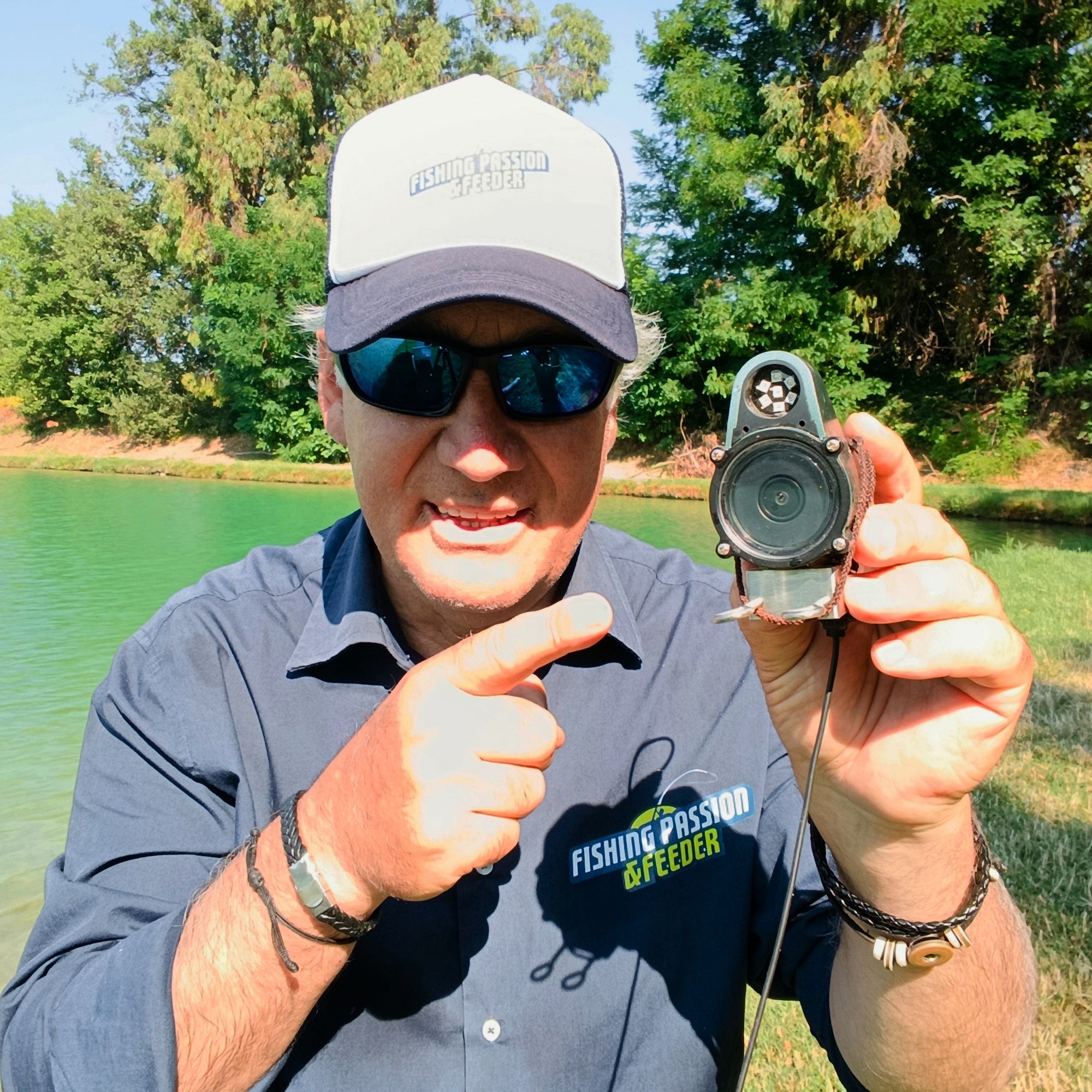
This time, a carp angler brought CHASING CanFish CF1, an underwater fishing camera, to the lake and added it to a real bottom fishing session. From connecting the device and lowering it into the water to checking the underwater footage, he recorded the entire process and captured a different perspective of what was happening beneath his fishing spot.
Setup and Deployment: Adding an Underwater View to Carp Fishing

At the beginning of the video, the angler sits at his fishing spot and introduces CanFish CF1. His approach follows a common carp fishing method: a bottom rig with a weighted setup, where the bait rests on the lakebed and fish activity is usually detected through rod movement or a bite alarm.
With this style of fishing, many important details happen out of sight. The position of the rig, the condition of the bait, and what is happening around the feeding area are all hidden beneath the surface.
After connecting the device, he uses the CanFish App to view the underwater footage and lowers CanFish CF1 into the water near his fishing area.
For bottom fishing, this creates a completely different way of observing the session. Instead of relying only on rod signals and experience, anglers can directly see the underwater environment and better understand what is happening around their setup.
The preparation process is also straightforward. The camera connects through the cable, while the phone displays the underwater footage. Without changing his normal fishing routine, the angler can add an underwater observation tool to his session and check the situation below the surface.
Underwater Footage: Bait Gets Eaten and Fish Pass the Camera

Once the camera reaches the bottom, the underwater environment gradually becomes visible.
The footage shows the structure of the lakebed, the surrounding area, and several freshwater fish swimming past the camera.
Although it is summer, the bottom of this fishing spot does not appear to be heavily covered with weeds. Instead, the area mainly consists of mud and gravel, creating a relatively clean bottom. For bottom fishing, this type of structure can make it easier for the rig and bait to settle naturally.
The most interesting moment comes later in the underwater fishing video: the bait introduced by the angler is slowly consumed by a water turtle in front of the camera, while small fish also move through the scene.
This footage reveals information that would normally be impossible to know from the bank.
For a carp angler, baiting is an important part of the strategy. The purpose of introducing bait is to attract and hold fish in an area, but the underwater view shows that other creatures may also interact with the bait.
Without an underwater fishing camera, the angler might simply assume that fish were not interested or that the spot was inactive. In reality, something completely different was happening below the surface.
The small fish swimming through the frame also show that the area was not empty. Their movement and direction provide additional clues about what is happening around the fishing spot — details that rod signals alone cannot reveal.
Real Fishing Applications: Understanding What Happens Below the Surface
For bottom fishing, one of the most practical uses of an underwater camera is checking the condition of bait and the fishing area.
Carp fishing often relies on introducing bait to attract fish over time. But once the bait reaches the bottom, anglers usually cannot see how it spreads, whether it remains in place, or whether other creatures interact with it.
With CanFish CF1, anglers can directly observe these details and make better decisions about whether to add more bait or adjust their approach.
Another useful application is checking the rig position.
After a rig sinks, anglers often do not know exactly where it has landed or what the underwater surroundings look like. Is the bait sitting clearly on the bottom? Is there an obstacle nearby? Is the presentation in a suitable area?
A castable fishing camera provides a direct look at these details, helping anglers better understand the relationship between their setup and the underwater environment.
The footage also creates a valuable record. By saving underwater clips from different sessions, anglers can compare the same fishing spot under different conditions and better understand how the underwater environment changes.
One More Perspective, Less Guesswork
For many anglers, experience will always remain one of the most important parts of fishing.
Reading the water, choosing a spot, and understanding fish behavior all come from time spent on the bank.
But adding an underwater camera provides another valuable reference point.
CanFish CF1 allows anglers to view and record underwater footage through their phone. Whether checking an unfamiliar water area or revisiting a familiar fishing spot, it provides a more direct understanding of what is happening below the surface.
It will not guarantee a catch, but it can help anglers answer questions that were previously impossible to confirm.
From this fishing session, it is clear that the angler did not change his normal carp fishing method because of the camera. He still baited, cast, and waited in the same way. The difference was that he had an additional way to observe what was happening underwater without interrupting his usual routine.
That is the real value of underwater fishing technology — not replacing experience, but adding more information to support better decisions.
Sometimes, what changes is not the way you fish — it is the way you see what is happening beneath the surface.
Video Source: https://www.tiktok.com/@multifishing26/video/7674545214966533408?is_from_webapp=1&sender_device=pc