At night, the surface gives far fewer clues. A weed line is harder to follow, a small point is more difficult to line up, and changes in fish depth can happen without any obvious sign above the water.
That makes night fishing especially vulnerable to repeating an old pattern after the conditions below have already changed.
First Check Whether the Depth Still Matches

If a spot produced earlier, start by checking whether fish are still using the same depth.
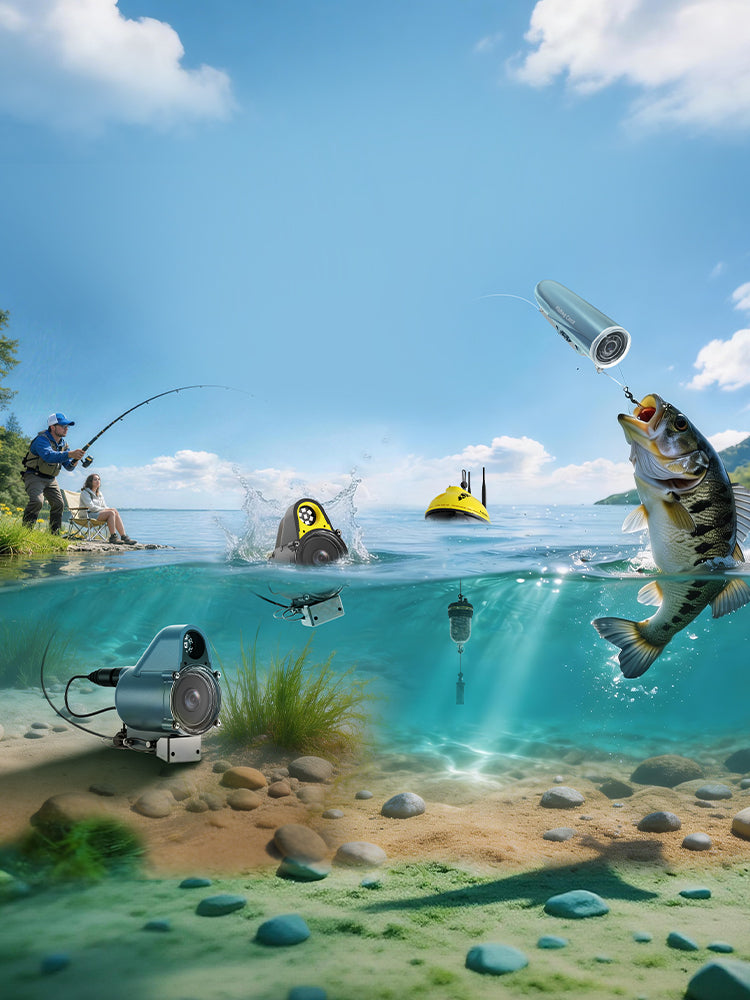
The dual-frequency fishing sonar on CHASING CanFish F2 can help compare current activity with the depth that produced bites before.
If activity remains in the same band, keep the presentation there rather than changing immediately. If the fish have moved deeper, change lure depth or rig position first. If they have moved shallower, shorten the drop or bring the presentation higher.
This prevents a common night fishing mistake: changing lure color or action when the real change is simply depth.
Return to the Same Feature, Not Just the Same General Area
At night, a difference of a few meters can matter more than it seems.

A productive spot may be the outside edge of weed, the end of a point or a narrow open strip beside cover. Returning to the general area is not always enough if the original bite came from a much smaller feature.
CanFish F2 supports spot saving and Precise Navigation, making it easier to return to a previously identified position.
For a small feature, this matters because the lure or rig needs to stay near the same route or edge that produced before.
Use the Camera to Check the Immediate Route
If the position is correct but the spot still feels different, an underwater fishing camera can help check the immediate environment.
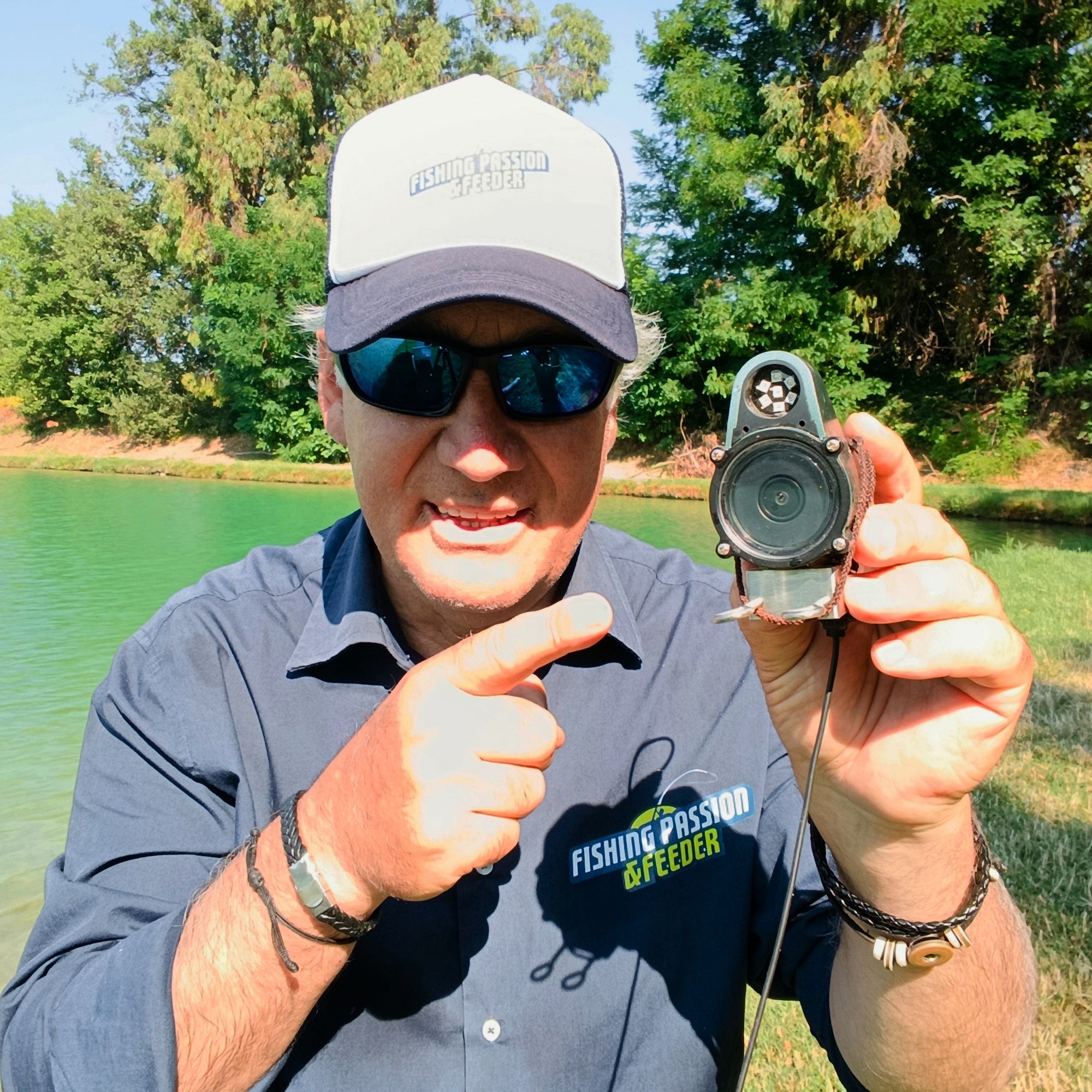
The camera on CanFish F2 can inspect whether weed has become thicker along the intended retrieve route, whether an open pocket is still clear, or whether the structure beside the target is different from what you expected.
Low-light full-color observation and supplemental lighting can help in darker conditions, although visibility will still depend on water clarity.
The camera does not need to show fish to be useful. It only needs to show enough to decide whether the original route still works.
Make One Change at a Time
Night fishing becomes confusing when depth, lure, location and retrieve are all changed together.
A better sequence is to change the variable that the new information actually points to.
If fish moved deeper, change depth first. If the feature is still correct but the retrieve lane is blocked by weed, change angle. If the original area has gone quiet while another section repeatedly shows activity, move.
This makes each adjustment easier to evaluate and prevents random lure changes from replacing actual observation.
Keep Fishing When the Pattern Still Makes Sense
Night fishing does not require constant movement.
If the same depth, same feature and same route still make sense, repeating a productive cast is completely reasonable. The difference is that the repetition is based on current information rather than memory of an earlier bite.
With CHASING CanFish, fishing sonar can check depth, navigation can return to a precise position, and underwater vision can confirm the immediate route when necessary.
The practical goal is simple: keep the pattern when it still exists, and change only what the water has actually changed.