You prepare a baited spot, place the rig carefully, and wait for the carp to arrive. From the bank, nothing appears to be happening. The bite alarms remain quiet, the surface looks unchanged, and it is easy to assume that the fishing bait is still sitting exactly where it landed.
Underwater, the situation may be very different.
Footage from a carp fishing session showed roach, tench, catfish, and other fish visiting the baited area before the carp arrived. They were not simply passing through. They were taking advantage of the available food, creating a practical problem: when the target fish finally reached the spot, how much carp bait was actually left?
A Quiet Swim Can Still Be Feeding Fish

Anglers usually judge a baiting strategy by what happens at the rods. A run suggests that carp have found the food, while a long quiet period can make the spot seem inactive. Neither conclusion tells the full story.
Smaller fish may investigate the area without producing a clear indication at the rod. Some species can pick at crushed boilies, pellets, particles, or softer baits while leaving the hookbait untouched. Larger non-target fish may move through the swim and consume considerably more.
This means a quiet bite alarm does not prove that the bait remains intact. The swim may already be active, but the activity may be coming from species the angler did not intend to feed.
Adding More Bait May Feed the Same Fish Again
When a prepared spot fails to produce a carp, a common response is to introduce more bait. That can work when carp are present and feeding confidently. It is less convincing when other fish are clearing the area first.
Adding another quantity of the same small or soft bait may simply repeat the cycle. The fresh food attracts more activity, but much of it is consumed before a carp can benefit from it. The angler sees no run and concludes that the swim needs even more bait.
The better question is not automatically “How much more should I add?” It is “What is eating the bait I have already introduced?” Until that is understood, increasing the quantity can make the baiting strategy more expensive without keeping food available for the target fish.
Boilie Size and Hardness Change How Long Bait Lasts

The source video focuses on adjusting boilie size and hardness to reduce consumption by non-target fish. A larger or harder boilie is generally more difficult for small fish to break down quickly than fine particles, small pellets, or soft bait.
That does not mean the largest and hardest boilie is always the best choice. A bait still needs to suit the fish, season, water temperature, and feeding situation. The useful change is often a controlled one: reduce the proportion of easily consumed food and introduce a more durable component that has a better chance of remaining until carp arrive.
Hookbait durability should also be considered. If the free offerings change but the hookbait becomes soft, damaged, or unattractive after prolonged attention from other fish, the rig may no longer be fishing as intended. The complete presentation needs to survive the activity occurring around it.
Change the Timing as Well as the Bait
Bait choice is only part of the decision. Timing can be equally important. If carp regularly visit during a particular feeding window, introducing a large amount of vulnerable bait many hours earlier gives other species more time to consume it.
A smaller initial quantity followed by carefully timed top-ups may keep fresh food available closer to the expected arrival of carp. In other situations, a more durable bed of boilies may be appropriate. The right answer depends on which species are present, how quickly they feed, and whether carp are already using the area.
Watch what happens after each change. If smaller baits disappear but larger boilies remain untouched, durability may have gone too far. If everything is cleared rapidly, the swim may contain more competing fish than expected. Adjust one part of the strategy at a time so the result remains understandable.
Check What Is Happening on the Bottom

The creator’s underwater footage turns an assumption into something that can be evaluated. Instead of guessing that the bait is still present, the angler can observe which fish visit, how much activity occurs, and whether the baited area changes before carp appear.
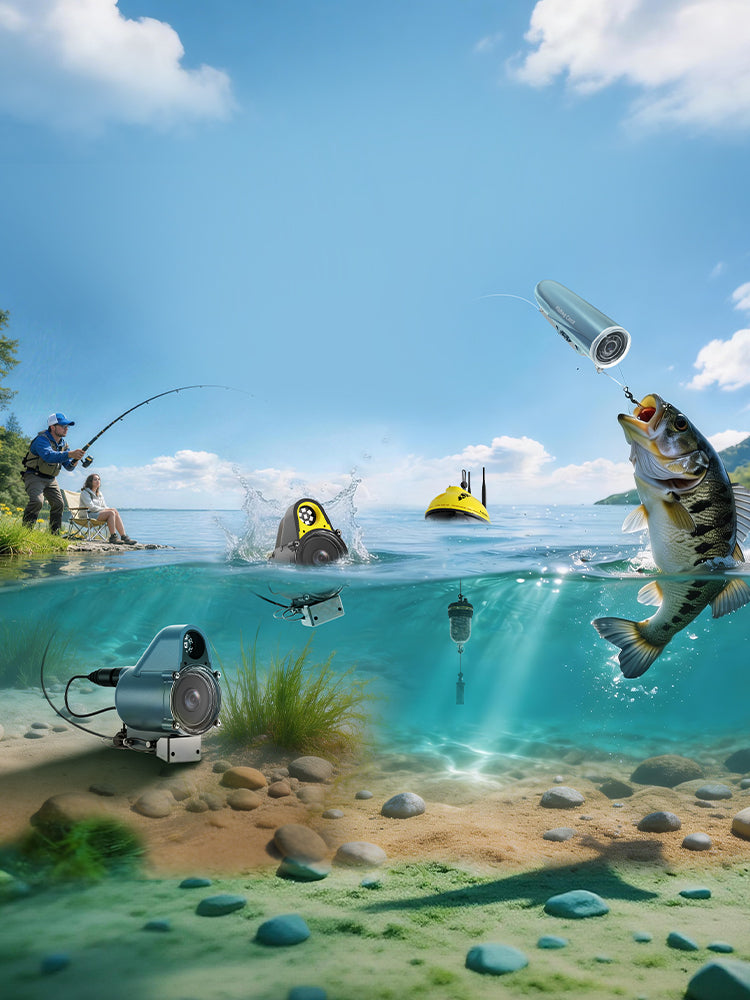
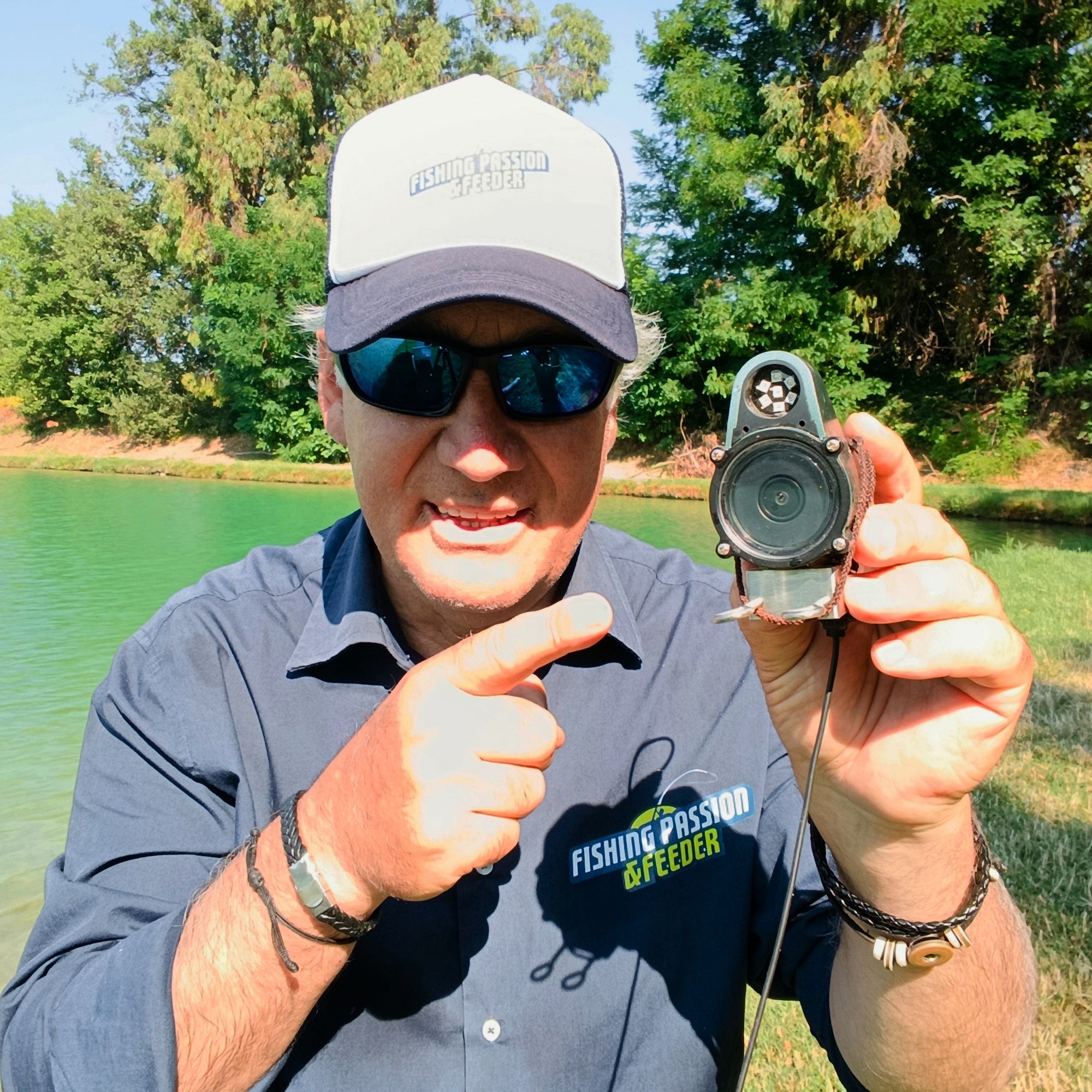
The creator directs viewers to the CHASING CanFish CF1 as the underwater fishing camera used to examine this kind of activity. Its practical value here is not simply seeing fish. It is distinguishing between carp activity and other species feeding on the spot, then using that information to reconsider bait size, hardness, quantity, and timing.
An underwater camera cannot guarantee that every fish or piece of bait will be visible. Turbidity, light, weed, bottom debris, and camera position all affect what can be observed. Even an incomplete view, however, may reveal that a supposedly untouched swim is already receiving heavy attention.
Keep Carp Bait Available for Carp
A baited spot is not reserved for the species printed on the bait bag. Once food enters the water, any fish capable of finding and eating it can become part of the session.
When carp bait repeatedly disappears without producing the expected result, adding more is only one possible response. Changing boilie size, increasing durability, reducing easily consumed ingredients, or adjusting the baiting time may be more useful.
The important step is identifying the problem before selecting the solution. What looks like a lack of feeding from the bank may actually be intense underwater competition. Once that distinction is clear, the next baiting decision becomes much easier to justify.